Travel-well

Cultural primers, travel philosophy, and the thinking behind well-designed trips. Travel-Well is where I share what I've learned from years of designing European itineraries; the museums worth your morning, the pacing that actually lets you absorb a place, and the details most travelers don't think to consider until they're already there.
Is Europe safe to travel to in 2026? Yes. But the year is genuinely different from 2019. A Phoenix travel designer’s honest guide to EES at the border, the new ETIAS authorization, when to go, when to avoid, and how to plan around the unknowns.
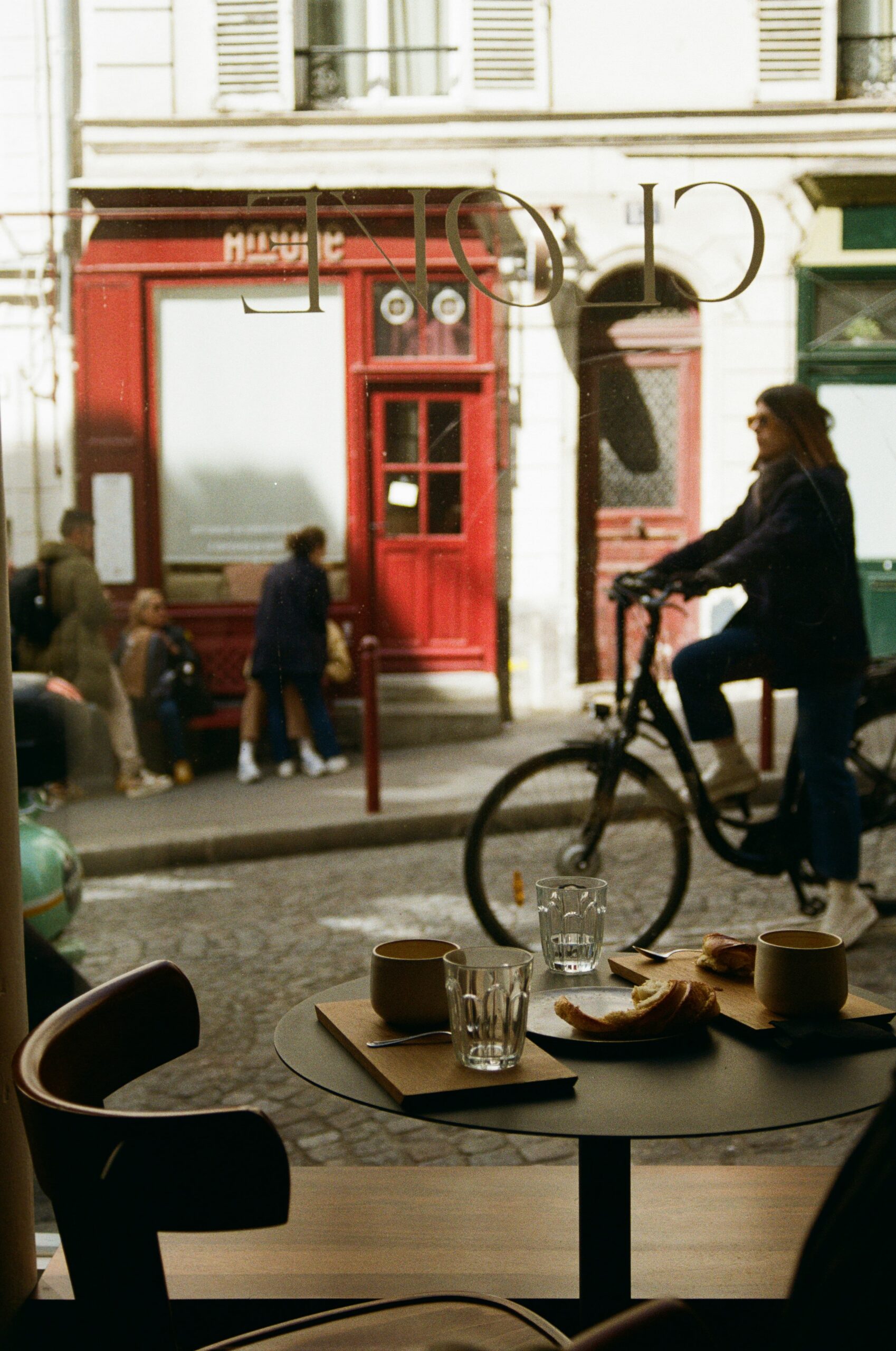
The AI-generated Italy itinerary had the right cities, reasonable properties, and a polished day-by-day layout. It also had outdated restaurants, a 55-minute JFK connection, and a pace that would have wrecked the trip. Here’s what I found when I designed the same trip myself.

If you live in Phoenix and want to fly nonstop to Europe, you have three choices. Here’s how I use that map to design better journeys for my clients.

River cruise or ocean cruise? A travel designer breaks down the real differences in pace, ports, ships, and who each one actually suits.
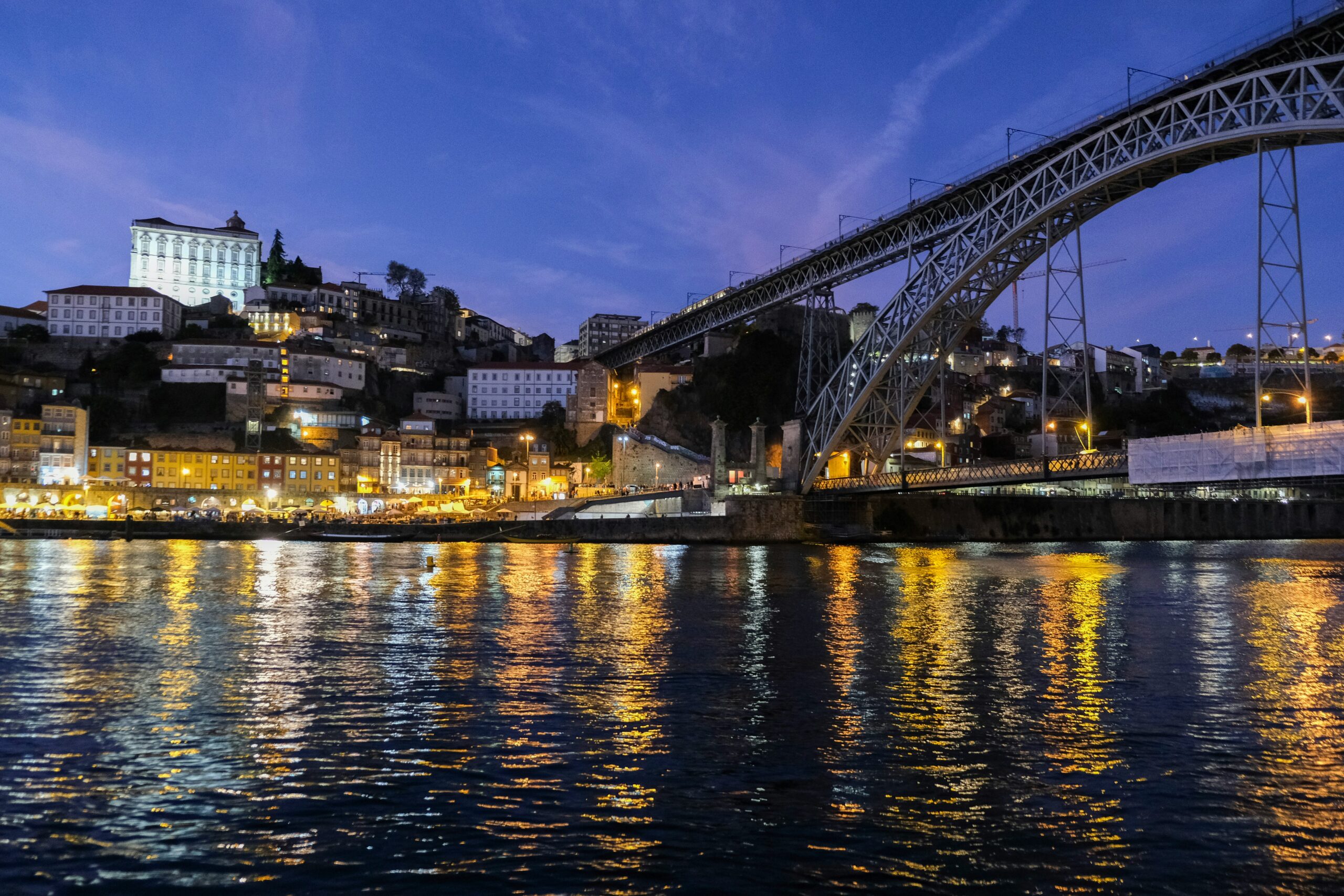
When most people think of European river cruises, they picture group tours with matching headsets, hurried strolls through old towns, and dinners that happen on someone else’s schedule.
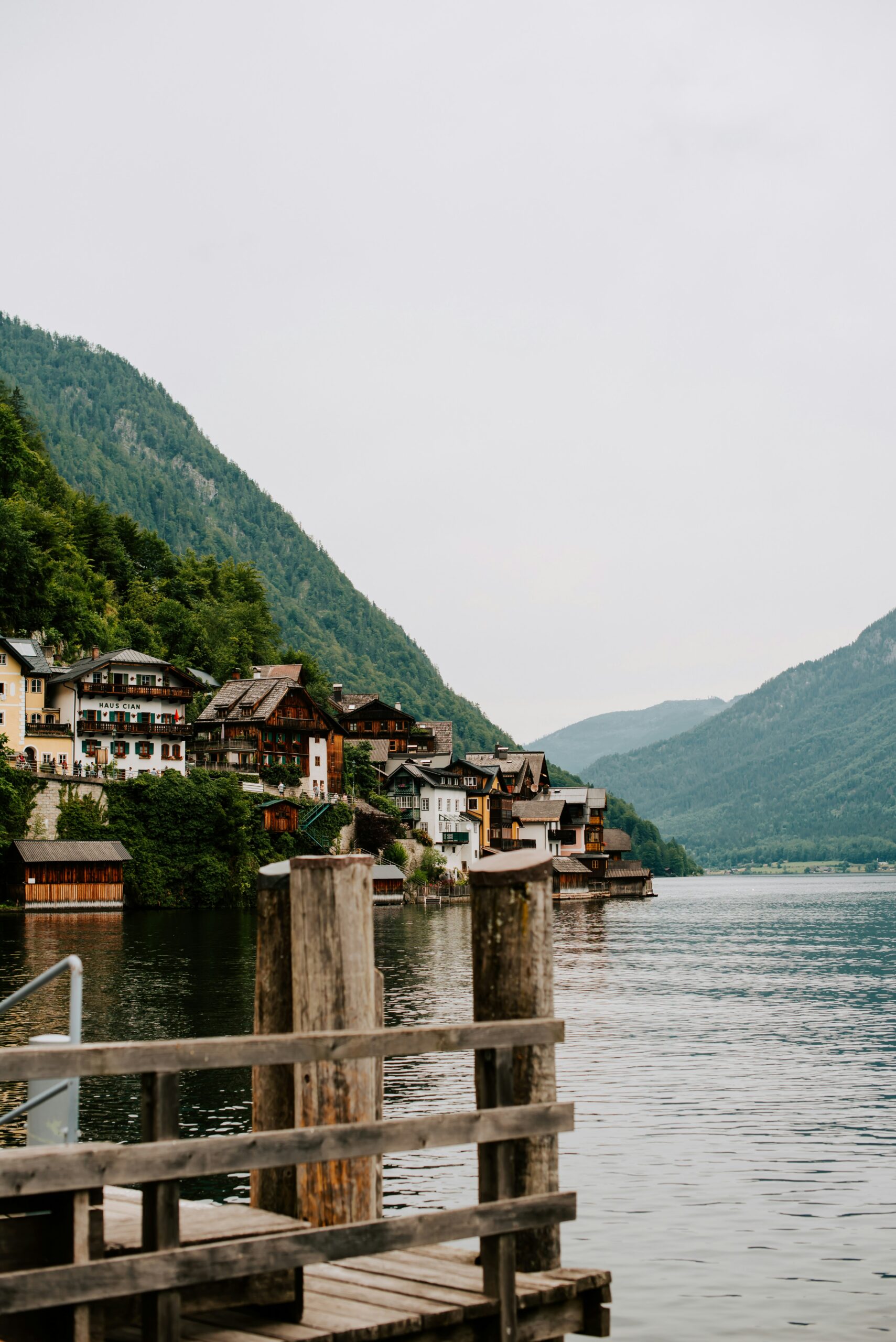
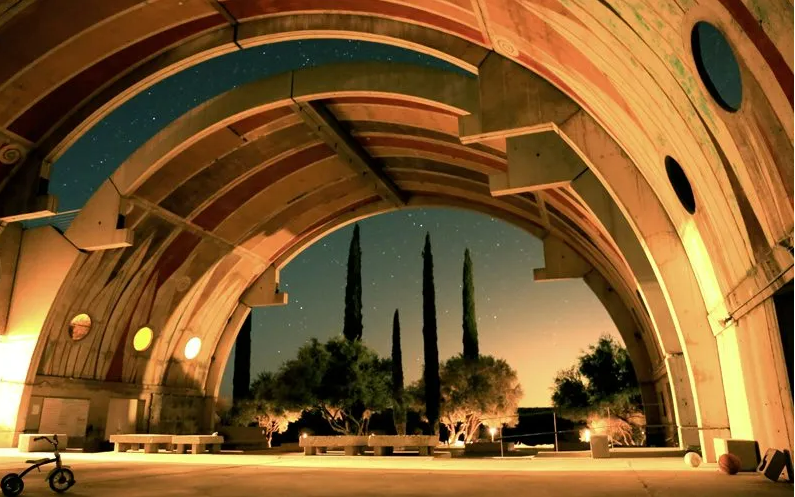
An Italian architect who studied under Frank Lloyd Wright built an experimental community in the Arizona desert. Fifty years later, it is still one of the most fascinating places within driving distance of Phoenix.
ETIAS and the UK ETA are changing how Americans enter Europe in 2026. Here’s what Phoenix travelers need to know, and how I factor this into every trip I design.
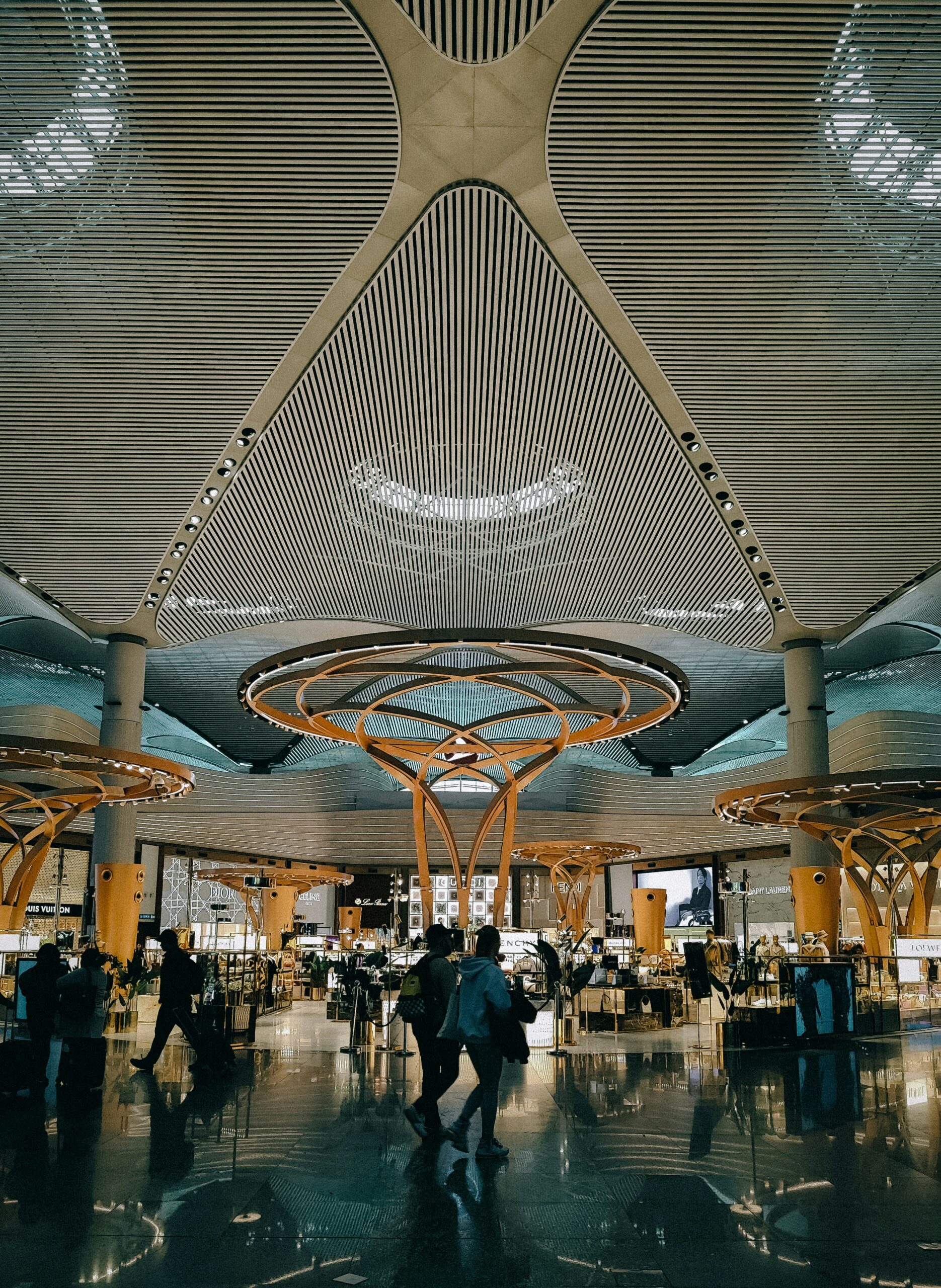
You come home with photos you barely recall taking and a vague sense that you were somewhere beautiful, but you can’t quite say what it felt like to be there.
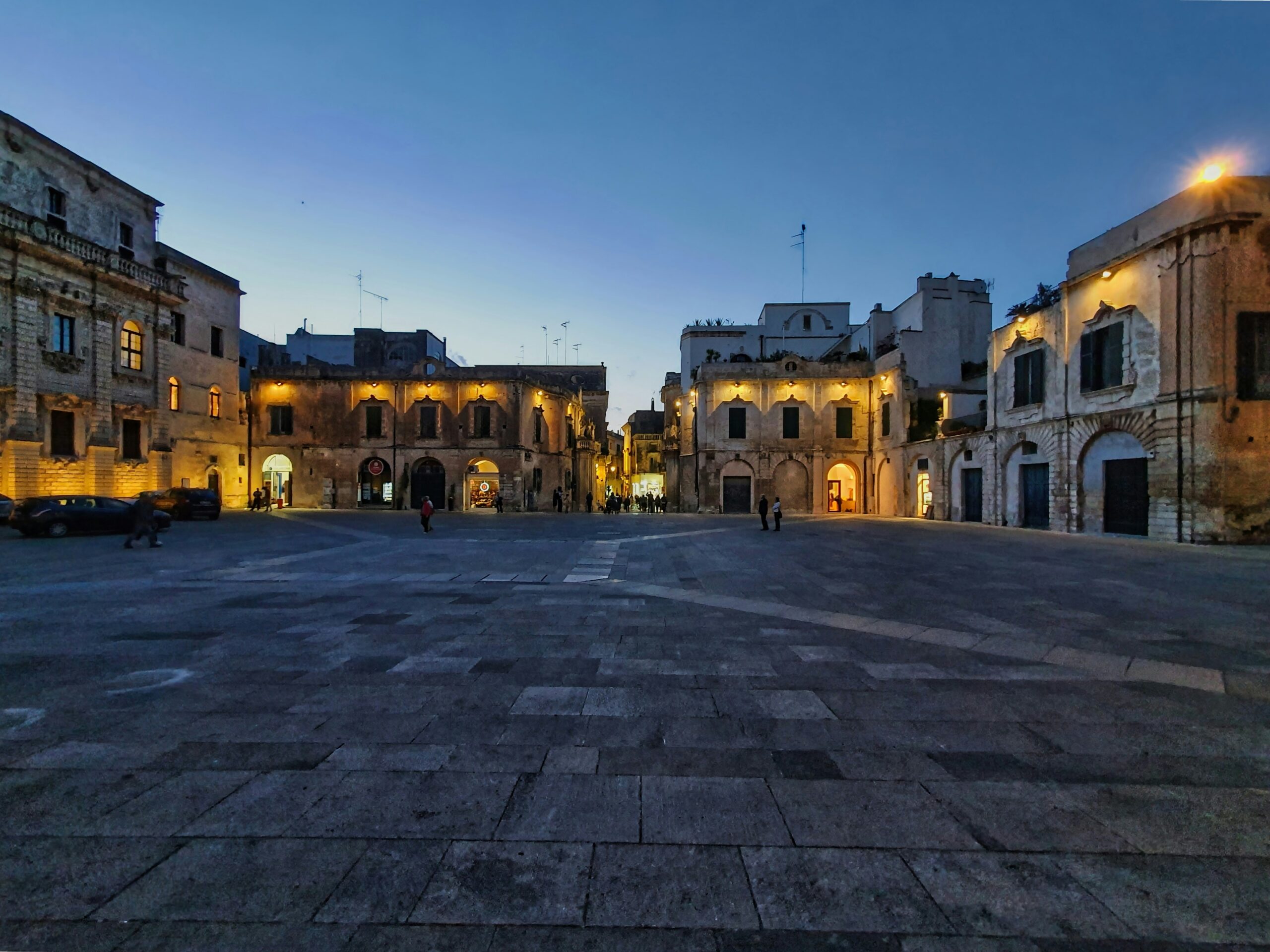
Most travel guides treat them like a checklist, as if seeing them all is somehow the goal. It isn’t.