


How to Travel at a Pace That Actually Lets You Absorb Where You Are
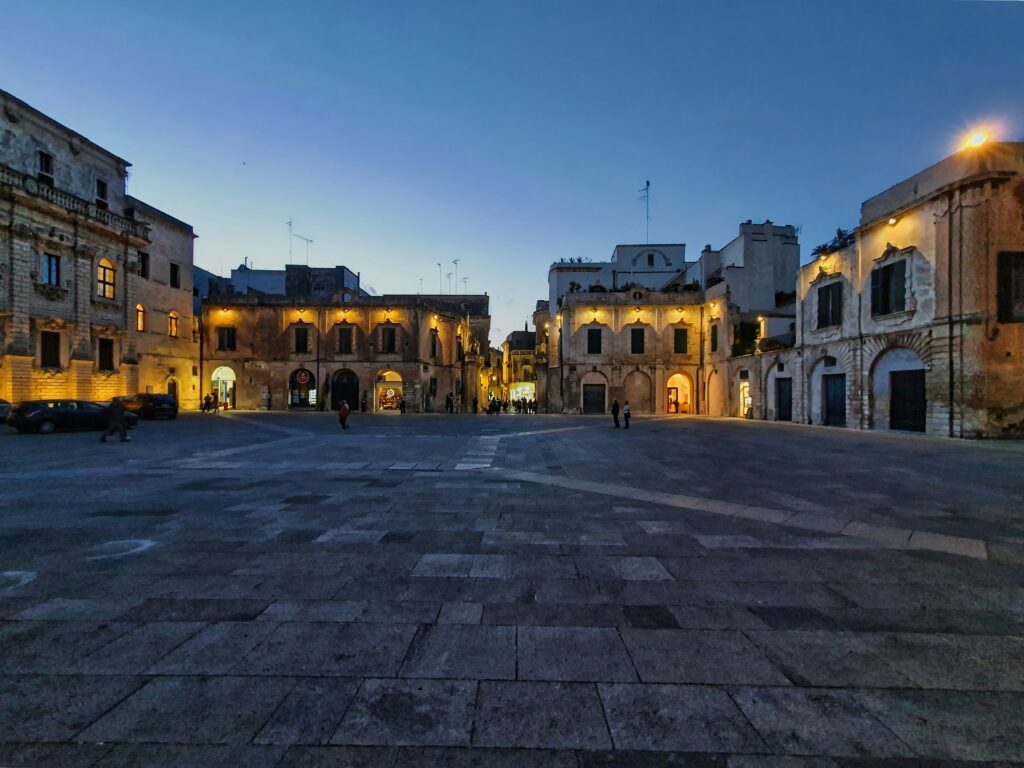
There’s a particular kind of exhaustion that comes from a trip where you saw everything and remember almost none of it. You come home with photos you barely recall taking and a vague sense that you were somewhere beautiful, but you can’t quite say what it felt like to be there.
That’s not a memory problem. It’s a pacing problem.
It’s easy to over-schedule, especially when you’re worried about making the most of your time. Three days in Paris feels like a reason to see everything. But adding more stops doesn’t give you more of a place. It just spreads your attention thinner.
The trips people remember years later almost always have one thing in common: space. Time in the day that wasn’t planned for anything at all.
What Over-Scheduling Actually Costs You
When every hour is spoken for, you lose the chance to respond to what’s actually around you. You skip the side street that catches your eye because you have a reservation. You leave the piazza before you’re ready because there’s a timed museum ticket. You miss the long conversation with a shopkeeper because you’re already late for the next thing.
These aren’t small things. They’re often the best part of the trip. The moments you didn’t plan for are usually the ones you remember most.
Over-scheduling brings its own kind of stress. Travel is meant to pull you out of your routine, not replace it with a new list of obligations in a city where even simple things take longer.
The One-Thing-a-Day Principle
When I design trips, I start with one meaningful thing each day. One museum. One guided walk. One excursion. The rest stays open.
That doesn’t mean you’ll only do one thing. It means you have an anchor for the day, and everything else can unfold naturally. You’ll still eat well, still wander, still find things you didn’t expect. The difference is you’re not rushing through any of it.
For most people, this feels radical at first and obvious by the second day. Once you know what it’s like to actually be somewhere without checking a schedule, you don’t want to go back.
Longer Stays, Fewer Cities
The other half of pacing is geography. Three cities in ten days looks reasonable on paper. In reality, it means two days spent traveling, two more just adjusting, and what’s left is split so thin you barely get past the surface.
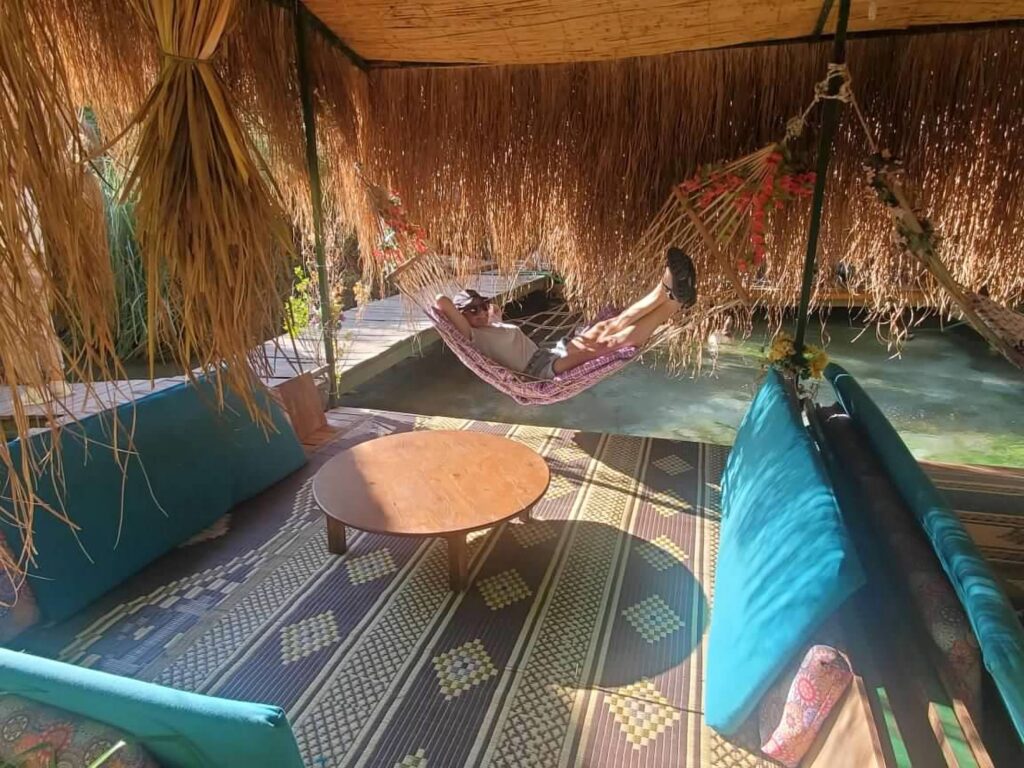
Two cities in ten days gives you real time. Four or five days in one place lets you start to recognize the waiter at the corner café. You find the bakery that’s better than the one in the guidebook. You learn the rhythm of the neighborhood: when the market opens, when the streets quiet down, where the afternoon light is best.
That’s the difference between just visiting a city and starting to understand it, even a little.
Build in Recovery Days
Travel is more physically demanding than most people expect. You walk more, navigate new systems, make decisions in another language, and take in a constant stream of new sights and sounds. By day three or four of a packed trip, most people hit a wall.
Leaving a day with nothing planned isn’t laziness. It’s strategy. A morning to sleep in, have a slow breakfast, and decide what to do based on how you feel resets everything. The rest of the trip is better for it.
This matters even more for multigenerational trips, where everyone has different energy and attention spans. A rest day built in keeps the group from hitting that wall where everyone is tired but no one wants to say it.
The Goal Isn’t Efficiency
Efficiency is useful at work, but it doesn’t belong on a trip. The point isn’t to optimize your time. It’s to be present in a place long enough for it to shift how you see things.
That happens when you have room to breathe. When the schedule has gaps. When you’re not performing the trip for social media or checking experiences off a list. When you sit somewhere long enough to notice what you wouldn’t have noticed if you’d been rushing past.
The best trips I’ve designed always have less on the itinerary than people expect. Almost always, those are the trips clients come back from saying changed them.
If you want a trip designed around how you actually want to feel—not how many things you can fit in—that’s exactly how I work.
