


Last updated April 2026
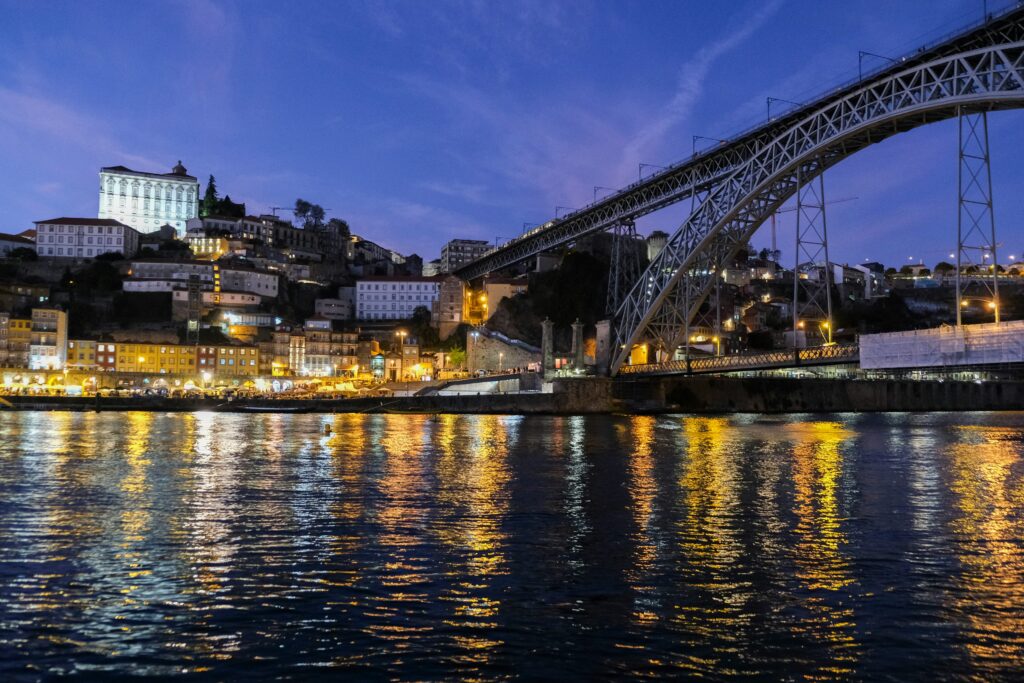
Clients ask me this almost every week. Usually it sounds like, “We’re thinking about a cruise. Should we do one of those river ones or a regular cruise?” The honest answer is that they’re entirely different ways to travel, and the one that’s right for you has very little to do with the ship. Here’s how I think about it when I’m designing for a client.
The Core Difference
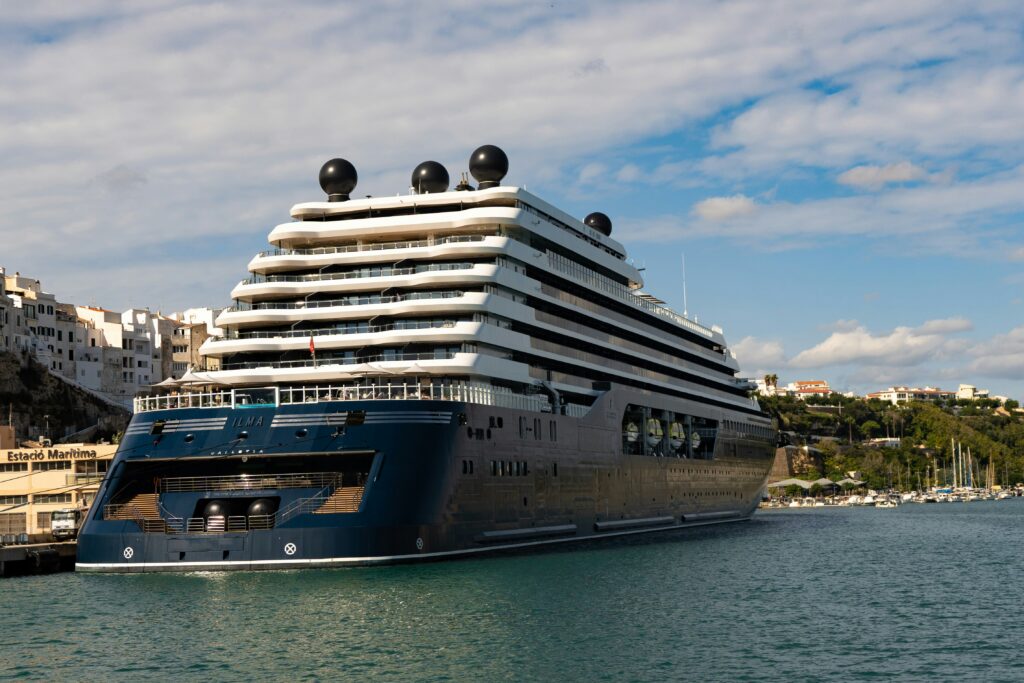
An ocean cruise is a destination in itself. The ship is the experience, and the ports are punctuation. A river cruise is the opposite. The ship is your moving property, and the destinations are the experience.
That single distinction drives almost every other decision.
Pace and Rhythm
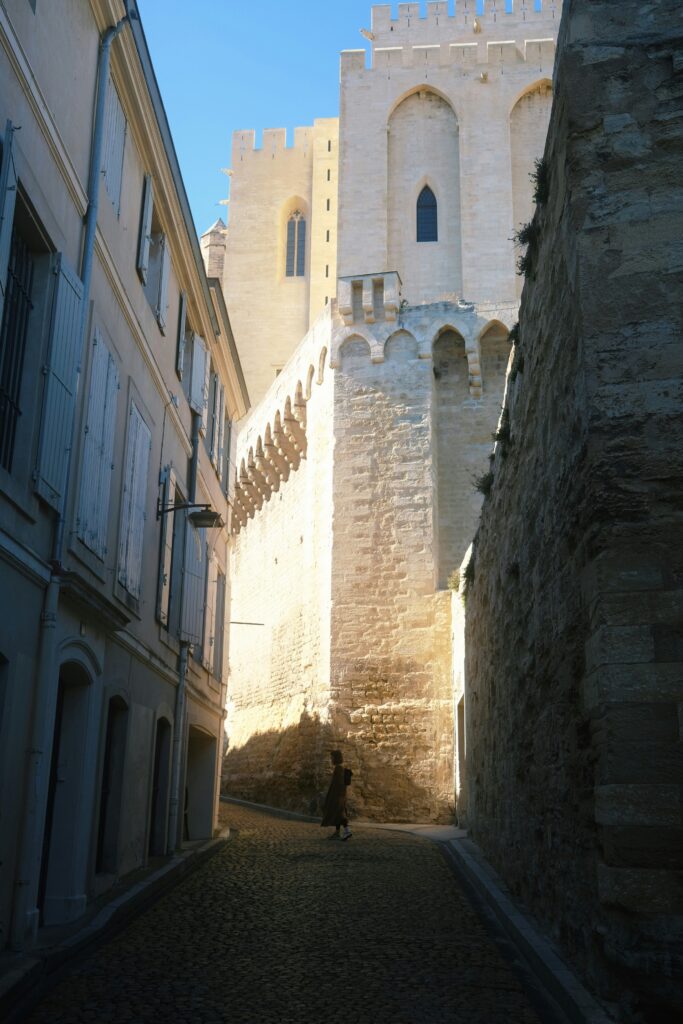
River cruises move slowly. You typically dock in the center of a town, walk off the ship, and you’re already in the old quarter. Mornings tend to be guided walks or small group experiences. Afternoons are yours. Evenings are quiet.
Ocean cruises move fast and big. Sea days are part of the rhythm. Port days can mean tendering in, taking a coach for an hour, then racing back to the ship before it sails. The energy on board is louder, more programmed, and built to entertain thousands of people at once.
Some lines are pushing this flexibility further. Riverside Luxury Cruises now offers a modular format where you can book as few as three nights and combine segments into longer journeys of up to 23 nights. Departures happen throughout the week, not just Saturdays, and you can start and end in cities most lines don’t offer as embarkation points. If you want a river cruise that wraps around a land stay, this kind of structure makes the design much more interesting.
The bottom line: If you want to slow down, river wins. If you want a trip where the ship itself is the point, ocean wins.
The Ships
A typical river ship carries around 130 to 190 guests. You’ll recognize the staff by day two. There’s usually one restaurant, one lounge, a small sun deck, and a pool that’s more decorative than functional.
Ocean ships range from 600 guests on the small luxury end to over 6,000 on the mass-market megaships. Multiple restaurants, theaters, spas, casinos, kids’ clubs, the works.
This matters for who you’re traveling with. Multi-generational groups with young kids almost always do better on an ocean ship. Couples and adult families who want immersion in a region do better on a river.
Where You Actually Go
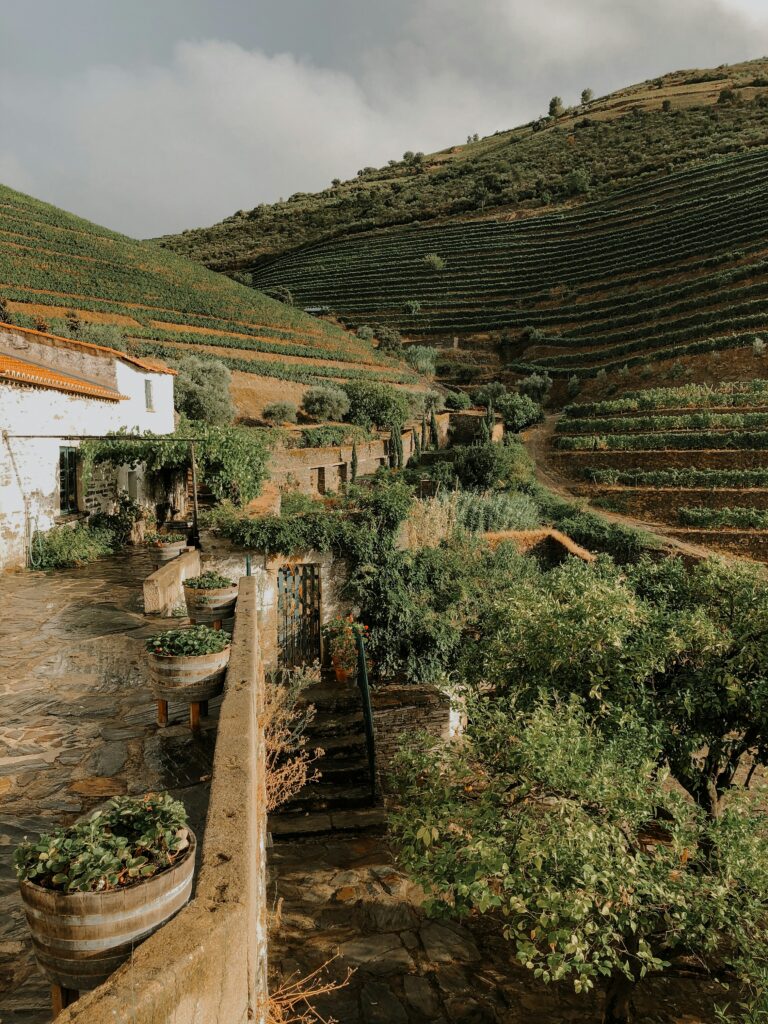
European river cruises follow the Danube, Rhine, Rhône, Seine, Douro, and a few smaller waterways. You wake up in Vienna, Budapest, Bordeaux, Porto, Avignon. You’re in the heart of European cities and wine regions, which is exactly why I recommend them so often for clients focused on culture and history.
Riverside just announced (April 16, 2026) that its fourth ship, the Riverside Mahler, will debut in 2028 on the Rhine, Main, Moselle, and Danube.
Tauck launched two new river ships for 2026: the Serene (Rhône) and the Lumiere (Seine). New itineraries include a 14-day “Romantic Paris to Prague” and expanded Bordeaux programming. Tauck is the only line that buys out the entire ship and includes all excursions, tips, and most meals on land
River cruising is also expanding beyond Europe. AmaWaterways now sails the Magdalena River in Colombia on intimate 60-passenger ships, with itineraries between Cartagena and Barranquilla. The Mekong and Nile have had river cruise options for years, and new ships are being added to both in 2026 and 2027. If you’re drawn to the river cruise format but want to explore outside Europe, these are conversations worth having early, as capacity is limited and demand is growing.
Ocean cruises in Europe usually mean the Mediterranean or Northern Europe. You’ll cover more ground geographically, but you’ll often see ports rather than cities. Civitavecchia is not Rome. Livorno is not Florence. You can absolutely make it work, but the day is built around the logistics of getting in and out.
What’s Included: River Cruise vs. Ocean Cruise Pricing
River cruises tend to include more by default. Most meals, wine and beer at lunch and dinner, daily excursions, and gratuities on some lines. The pricing looks higher upfront and usually nets out close to what you’d actually spend on an ocean cruise once you add the extras.
Here’s a rough example. A 7-night European river cruise might run $4,000 per person and cover your cabin, most meals, drinks at meals, daily guided experiences, and many of the gratuities. A comparable ocean cruise might start at $2,500 per person, but by the time you add specialty dining, a drinks package, shore excursions, gratuities, and Wi-Fi, you’re often at $4,000 or more. The headline price and the real price are rarely the same number.
Several river lines have also raised the baseline of what’s included. AmaWaterways recently rolled out a fleetwide refresh covering everything from dining concepts to onboard amenities. When you factor in what you’re getting at that $4,000 per person price point on a river cruise, the gap between sticker price and actual value often favors the river side.
The luxury ocean lines I actually recommend are mostly all-inclusive and play by river-cruise rules.
Who Each One Is Best For
A river cruise is right for you if you want to see several European cities without packing and unpacking, you care about culture, history, and food with local context, you want a calm pace, and you’re traveling as a couple or with adult family.
An ocean cruise is right for you if you want a true ship experience, you’re traveling with kids or a large multi-generational group, you want to cover a lot of coastline, or you simply love being at sea.
Neither one is better. They’re answers to different questions.
A Note on Quality
Both categories have a wide range of quality. There are river lines I won’t book and ocean lines I won’t book. When I’m evaluating a line for a client, I’m looking at the level of personal service, the food and dining standards, the quality of the included experiences, and the condition and feel of the ship itself. The brand on the side of the ship matters more than most people realize, and matching the line to the client is most of my job when I’m designing a cruise. That’s a conversation, not a blog post.
Luxury river cruise lines are investing heavily right now. AmaWaterways is launching new ships every year through 2032, including a second double-width Danube ship engineered specifically for low-water conditions. Riverside just announced a fourth vessel for 2028. These aren’t companies standing still, and the differences between them keep widening. That’s part of why matching the right line to the right traveler takes more than a Google search. The best river cruise lines differ depending on what matters to you.
Explore the river and ocean lines I work with: [AmaWaterways →] [Riverside Luxury Cruises →] [Tauck →] [Oceania Cruises →] [Silversea →] [Regent Seven Seas →]
Ready to Talk About Your Cruise?
If you’re trying to decide between a river and an ocean cruise for next year, I can help you skip the research. I’m a Phoenix-based travel designer of journeys for travelers who want the right ship, the right itinerary, and the right pre and post extensions to make the trip feel complete.
