


When most people think of European river cruises, they picture group tours with matching headsets, hurried strolls through old towns, and dinners that happen on someone else’s schedule. That version is out there, and it’s easy to find.
But that doesn’t have to be your experience.
Done well, a river cruise is one of the most elegant ways to experience Europe. You unpack once. You wake up in a new city. And because the ship handles the logistics of moving between places, you have more energy to actually engage with where you are. The key is treating the ship as your base, not your entire experience.
The Case for Independent Exploration
Most river cruises come with a menu of organized shore excursions: walking tours, bus rides to nearby sights, tasting sessions. Some are worthwhile. Many skim the surface and move too quickly to let you actually connect with a place.
The better approach on most port days is to step off the ship on your own. River cruise ships dock in city centers or very close to them, which means you don’t need organized transportation to explore. You’re already there.
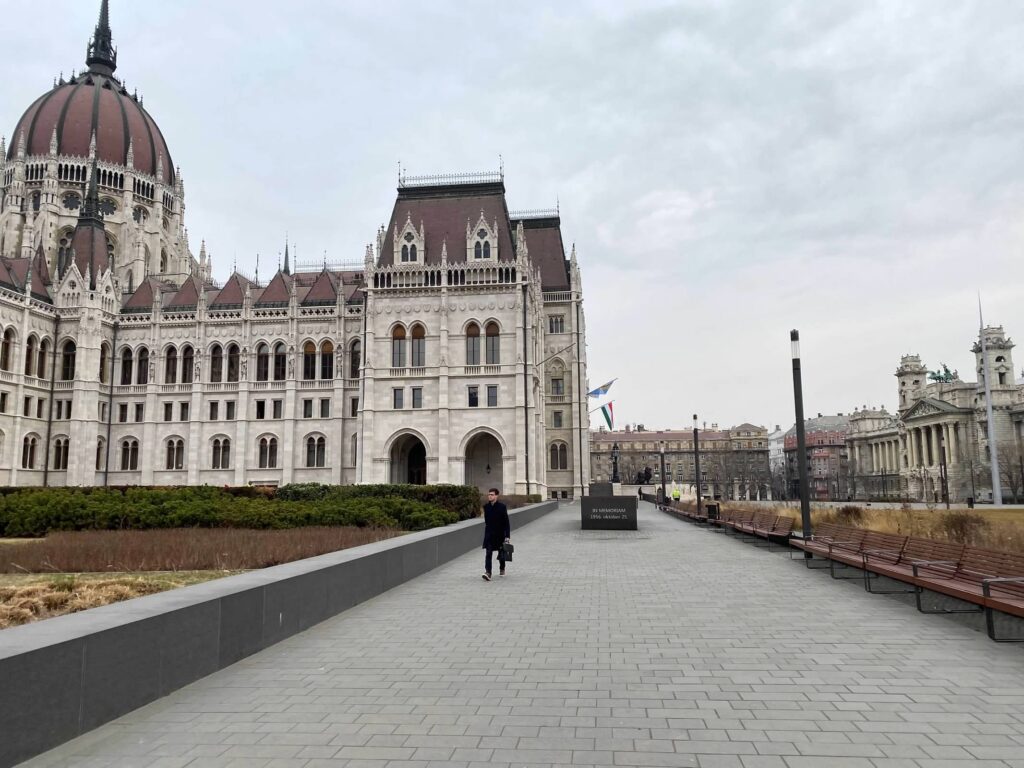
In Passau, you might wander to the cathedral when you feel like it and sit quietly for twenty minutes, just listening to the organ. In Strasbourg, you can skip the group tour and find a winstub for a slow lunch in Petite France. In Budapest, you can take the funicular up to the castle district and let the morning unfold however you want. The ship will be there when you get back.
When the Organized Excursion Is Worth It
Not every port calls for going solo. Some destinations are harder to navigate independently, or the excursion itself adds real value that you wouldn’t get on your own.
Wine regions are a good example. When you dock near the Wachau Valley or Alsace, a guided visit to a local vineyard, where someone else handles the transport and the introductions, can be worth it. These are places that are hard to reach and richer with a guide who knows the stories. The same goes for some of the smaller towns along the Rhine or Moselle, where a bit of context about medieval trade or castle ruins can turn a simple walk into something much more interesting.
The rule of thumb: if the destination requires driving to reach, or if historical context meaningfully changes the experience, the organized option may be the better call. If you’re docking in a walkable city with plenty to see on your own, go.
Making the Onboard Experience Work for You
The other underrated aspect of European river cruising is how you use the ship itself. Most passengers default to every meal in the dining room, every evening program, and every offered activity. You don’t have to.
My favorite river cruise days look something like this: an early breakfast before the crowds, a morning spent exploring at your own pace, a late lunch back on board as the ship glides to the next port, and an evening you shape based on your mood; maybe dinner in the restaurant, maybe something simple in the lounge, maybe a quiet drink on the top deck as a new skyline appears.
The ship gives you structure, but it doesn’t have to dictate your day. The real mistake is treating the schedule as a set of rules instead of options.
Choosing the Right Cruise Line Matters
Not every river cruise line is built for the same kind of traveler. Some focus on entertainment and social events. Others care more about cultural depth and flexibility. Finding the right fit can shape your whole experience. If you’re looking for some help, see this strategy about how I help my own clients find the right cruise.
What to look for: ships with open-seating dining rather than assigned tables, cruise lines that offer multiple excursion options at each port including independent exploration support, itineraries that include longer port stays rather than quick turnarounds, and onboard enrichment that goes beyond surface-level entertainment; resident historians, local guest speakers, cooking demonstrations with regional chefs.
Ship size matters, too. Smaller vessels can reach ports the big ships miss, and they usually feel quieter and less scheduled.
The Real Value of a River Cruise
I recommend river cruises to some clients. Especially those on longer European trips or anyone who wants cultural depth without the hassle of changing hotels every few days. Because a well-chosen cruise removes the friction. It handles the tiring parts of travel, like packing and navigating train schedules, so you can put your energy into what actually matters.
But that only works if you treat the cruise as a framework, not a formula. The ship gives you the route and the rhythm. How you fill in the details; what you do in each port, what you choose on and off the ship is what makes the trip yours.
Interested in a river cruise designed around how you actually want to experience Europe? That’s a conversation worth having.
LEARN HOW I DESIGN RIVER CRUISE ITINERARIES→
Related Reading: Europe travel requirements
