
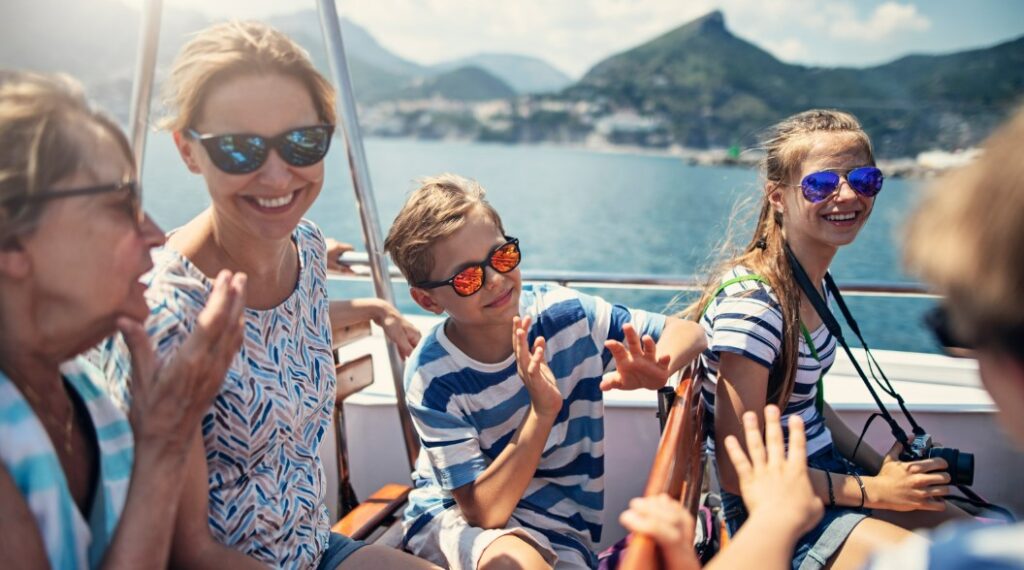
Family travel is one of the more complex design problems in this work. The variables are real: different ages, different energy levels, different thresholds for museums, beaches, and just sitting somewhere beautiful with nothing scheduled. A trip that works for a twelve-year-old and a fifty-year-old requires genuine thought, not a package that approximates both and satisfies neither.
The destinations and properties below are ones I return to when designing European family trips. What they share is the quality of a range of enough variety within a single location that everyone in the group has something that’s genuinely theirs, without the family having to split up to find it.
Corfu, Greece
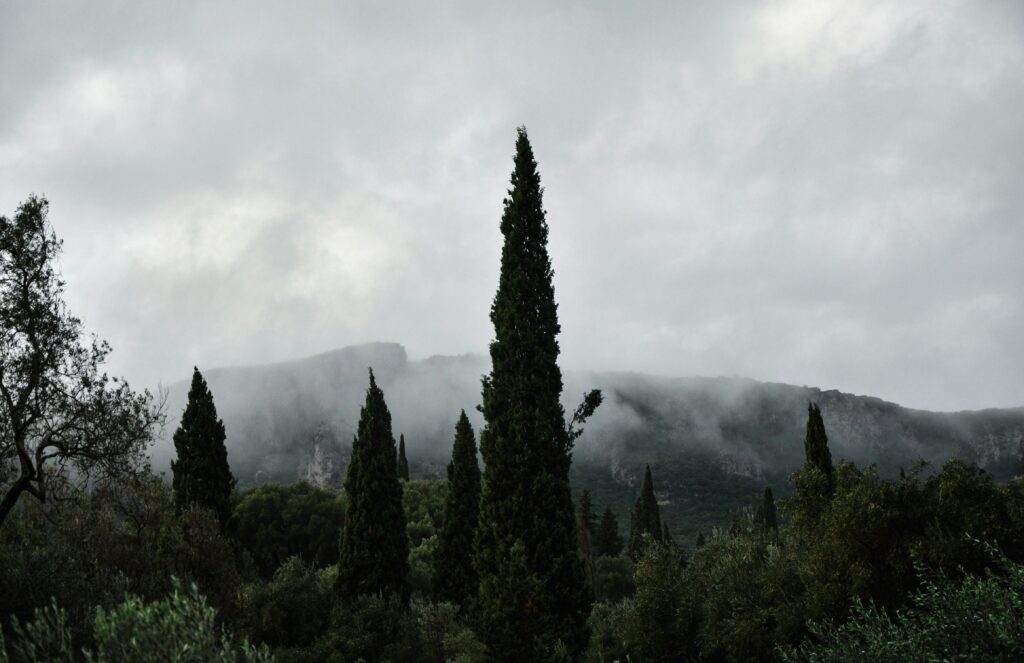
Corfu works well for families because the island operates at a pace that accommodates different rhythms. The coastline is varied; some beaches are accessible by road, while others are only accessible by boat, creating a natural hierarchy of effort and reward. The history is layered enough to hold the attention of adults who care about such things, and easy enough to set aside for those who don’t. Corfu is often included on a cruise itinerary.
The interior of the island, olive groves, Venetian villages, and trails that lead to ruins most visitors never reach, is consistently underused by travelers who stay on the coast. A half-day inland, with a guide who knows where to go, often becomes the part of the trip that people talk about most.
A property worth knowing: Angsana Corfu
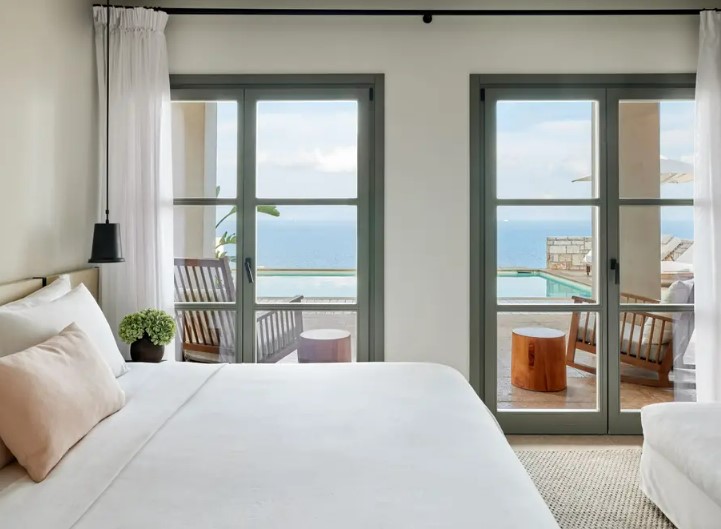
Angsana sits above the water on the island’s eastern coast with views across to Albania. The Ranger’s Club keeps younger travelers genuinely occupied, not just entertained, but engaged, with programming built around the island’s ecology and history. While they’re occupied, the adults have uninterrupted time at the spa or on the water. Private yacht excursions to the island’s more secluded coves can be arranged through the hotel and are worth building into the itinerary.
Paris, France
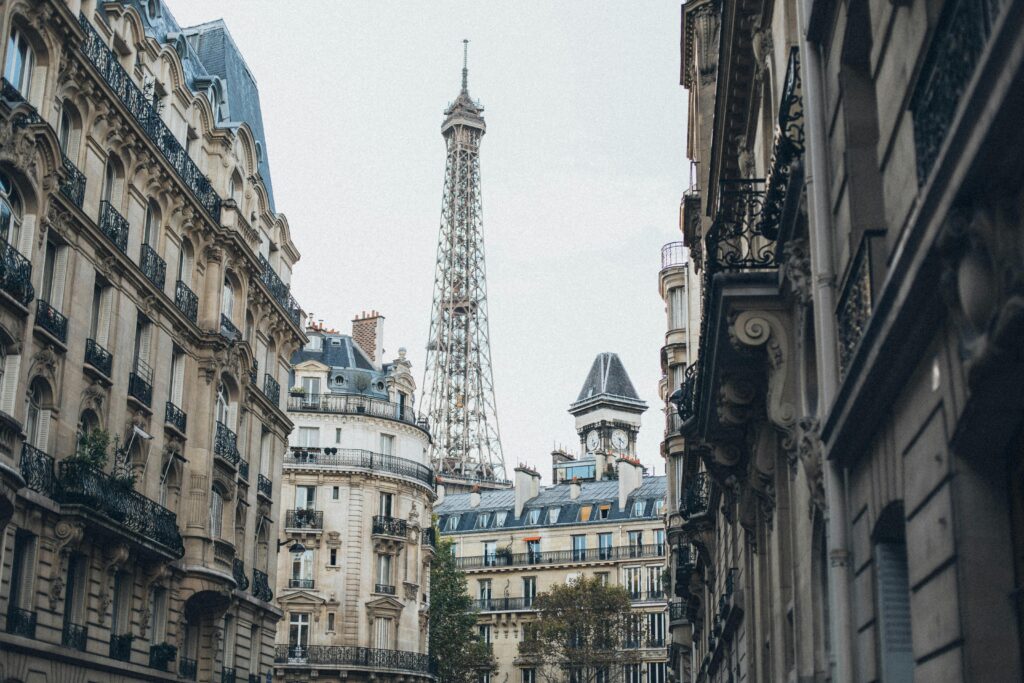
Paris rewards families who approach it the right way, which means resisting the impulse to see everything and instead choosing a few things to go deep on. A twelve-year-old who spends two hours in Montmartre with a guide who knows the neighborhood’s history as an artists’ colony will remember it. The same child moving through the Louvre in ninety minutes checking rooms off a list will not.
The experiences that tend to work best for families in Paris are the ones with a clear subject. A macaron-making class with a pâtissier. An after-hours private session at the Louvre, before the rooms fill. A guided bike tour along the Seine that covers a lot of ground without feeling like sightseeing. Notre Dame, now fully restored and open, is a genuine reason to visit, especially with the towers reopened.
A property worth knowing: Hotel du Louvre
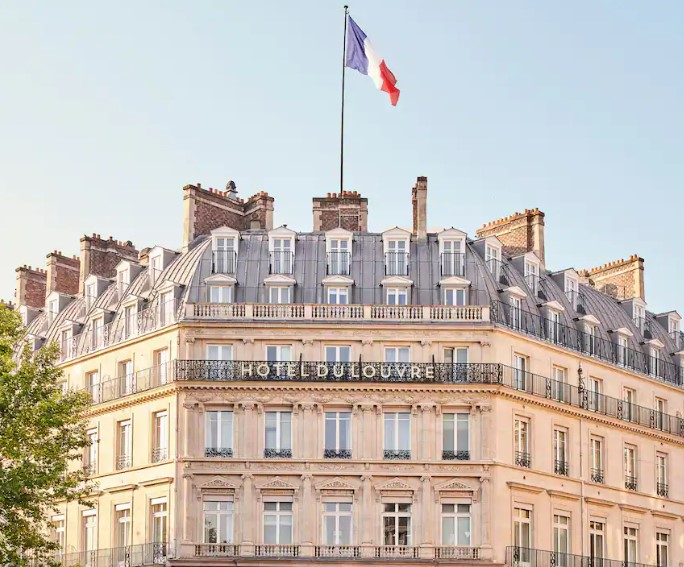
The Hotel du Louvre sits directly across from the Palais Royal, a five-minute walk from the museum. For families whose Paris itinerary centers on art and culture, the location removes a layer of logistics from every morning. The hotel is well-suited to families, with spacious rooms, attentive service, and a central position that makes the rest of the city easy to reach.
Sardinia, Italy
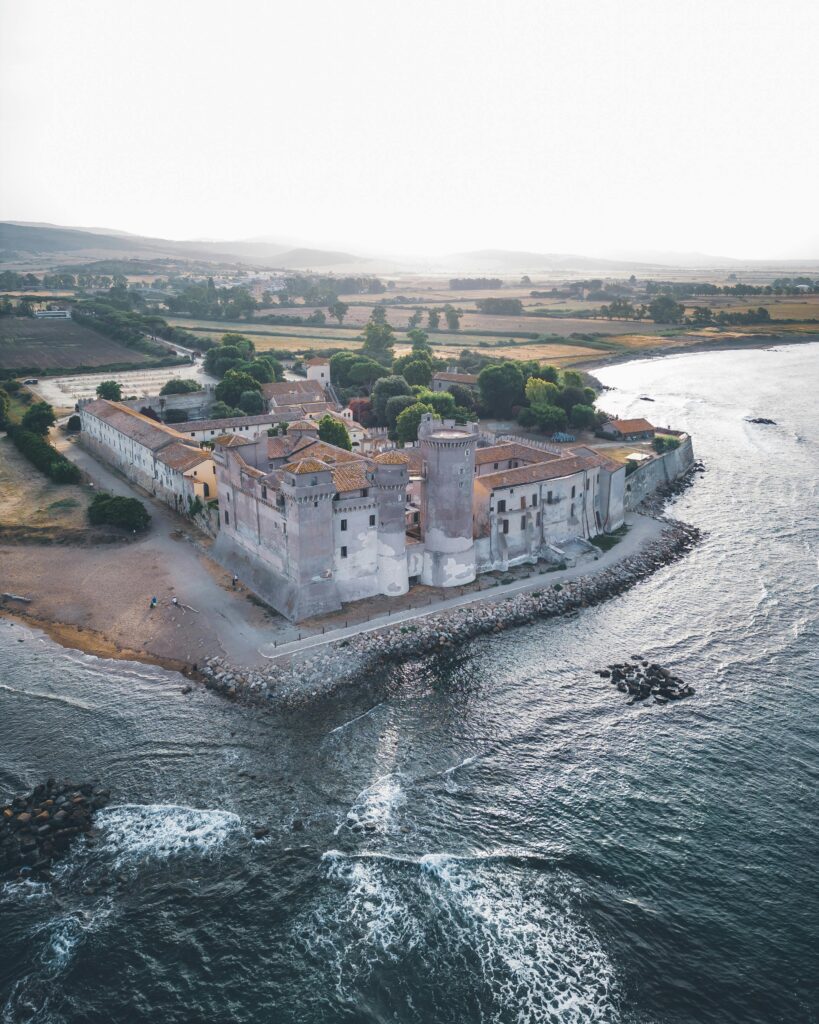
Sardinia is the destination I recommend most often for families who want the Mediterranean without the crowds of the more trafficked Italian coastline. The water along the southern and western coasts is among the clearest in Europe. The beaches are largely undeveloped. The food bottarga, culurgiones, and pane carasau are specific to the island, giving meals a cultural dimension beyond eating well.
The Nuragic ruins scattered across the interior are one of Sardinia’s most underappreciated assets. These Bronze Age stone structures some dating to 1800 BC are accessible, largely uncommercialized, and genuinely strange in a way that tends to capture the imagination of travelers of all ages. A morning at a nuraghe site with a good guide, followed by an afternoon on the water, is a Sardinian day that holds up as a memory.
A property worth knowing: Forte Village Hotel Castello
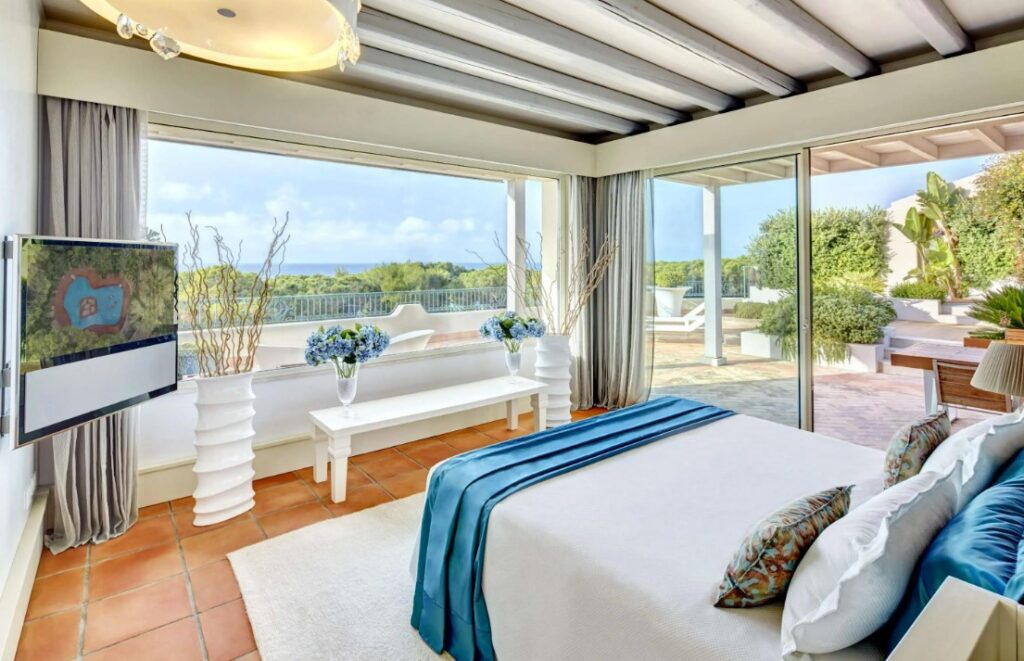
Forte Village is one of the most well-designed family resort properties in Europe. The campus is large enough that it doesn’t feel crowded, and the programming is serious. The football academy run in partnership with Real Madrid coaches is a legitimate draw for sports-minded teenagers. The Acquaforte Spa is among the best in Italy. Private sailing excursions along the southern coast can be arranged through the property. For families who want a base that handles everything well without feeling like a theme park, this is the one.
How Family Trip Design Actually Works
The difference between a family trip that works and one that doesn’t usually comes down to planning decisions made before departure, which property to use as a base, how many nights to stay in each location, which experiences to book in advance, and which to leave open.
Private guides matter more for families than for any other type of traveler. A good guide doesn’t just add information they manage the pace, hold the group’s attention, and turn what could be a perfunctory museum visit into something that generates actual conversation at dinner. The best guides in Corfu, Paris, and Sardinia book out well ahead of peak season.
The properties above all sit within my network, which means I can access rates, perks, and room categories that aren’t available through standard booking channels. For Virtuoso properties in particular, this typically includes amenities such as breakfast, hotel credits, and priority upgrades that meaningfully affect the experience.
If you’re starting to think about a family trip to Europe and want help with the structure before you commit to anything, that’s the right time to have a conversation.
Ready to design a family trip worth the planning?
See also: Paris in the Belle Époque: Hotels, Experiences, and the City Behind the Guidebook Visiting Notre Dame After the Restoration: What to Know in 2026
For a broader framework on European trip planning, start here
Before any family trip, read my pre-departure briefing
