
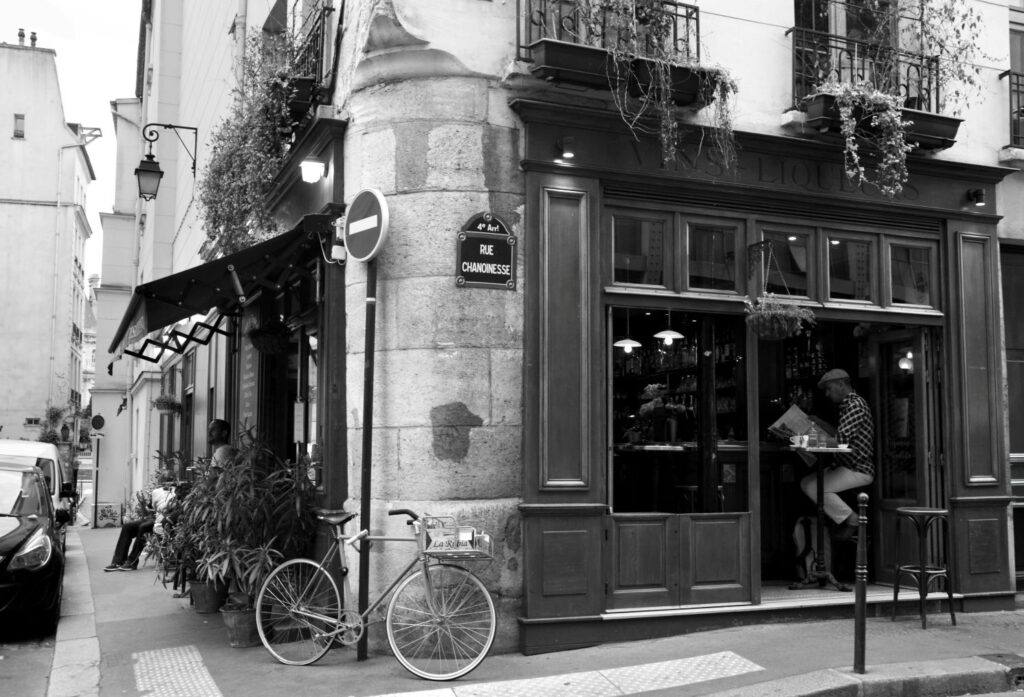
Most people who visit Paris see the same version of it. The Eiffel Tower at dusk. The Louvre on a Tuesday. A café near the hotel because the afternoon ran long. It’s a beautiful version but it’s also the surface.
The Paris I find most interesting sits just underneath. It’s the Paris of the Belle Époque, roughly 1871 to 1914, when the city was producing artists, writers, and ideas at a pace the world hadn’t seen before. Toulouse-Lautrec was working in Montmartre. Proust was taking notes in Le Marais. Monet was rethinking what paint could do. The cafés and salons of that era weren’t a backdrop, they were the actual engine of the culture.
Designing a trip around that period gives a Paris itinerary a center of gravity. Instead of moving from landmark to landmark, you’re following a thread. The city starts to feel less like a checklist and more like a story you’re inside of.
Where to Stay
The hotels that serve this kind of trip best aren’t the grand boulevard properties. They’re the ones that were built from a specific point of view, and that still feel that way.
Maison Proust, Hôtel & Spa — Le Marais
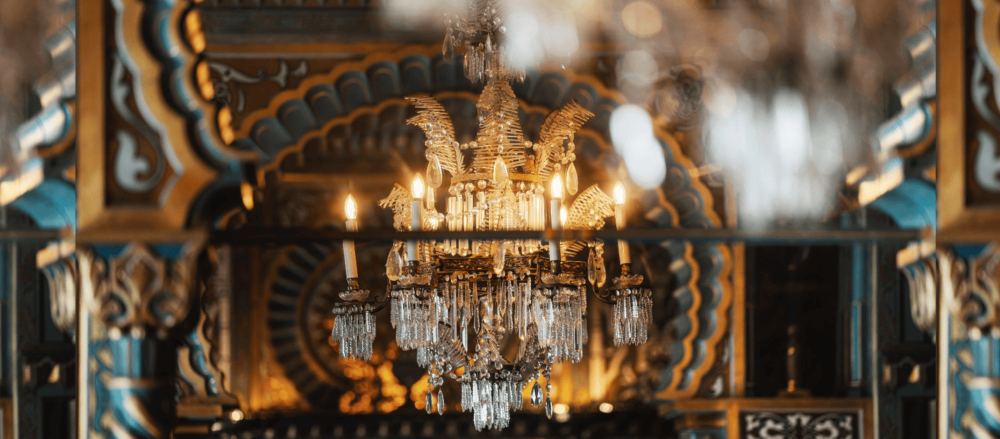
Maison Proust, designed by Jacques Garcia, occupies a historic building in Le Marais. The interiors read like a salon that never closed, velvet armchairs, gilded mirrors, hand-painted moldings, parquet floors worn to a particular warmth. Each room is named for a literary or cultural figure of the period, with décor that reflects their sensibility rather than simply their name.


The spa, run by La Mer, includes a pool, hammam, and private treatment rooms. The library bar is worth an evening on its own.
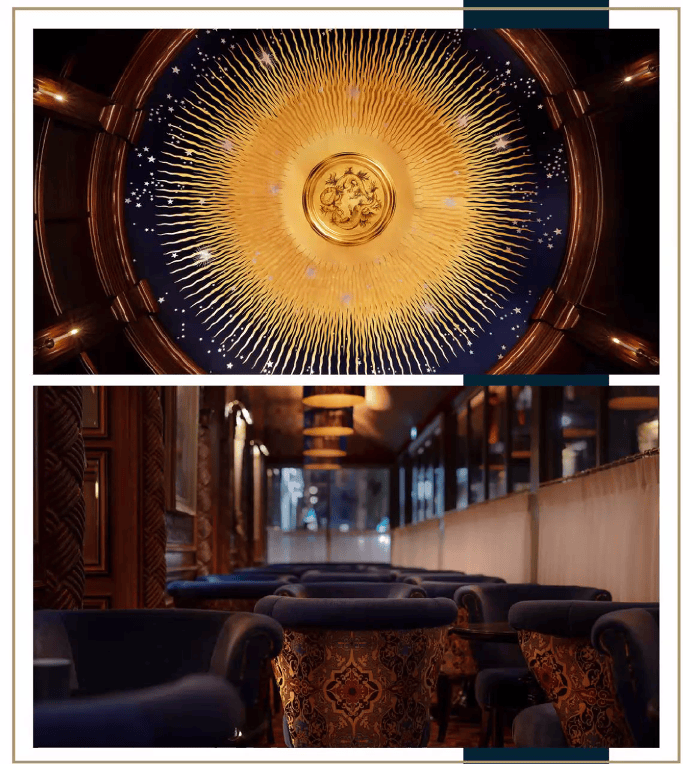
This is a strong choice for travelers who want their hotel to be part of the cultural experience rather than a retreat from it. It works particularly well for families with older teenagers who can engage with the history.
Starting rate: approximately €950 per night.
Maison Souquet, Hôtel & Spa — Near Montmartre
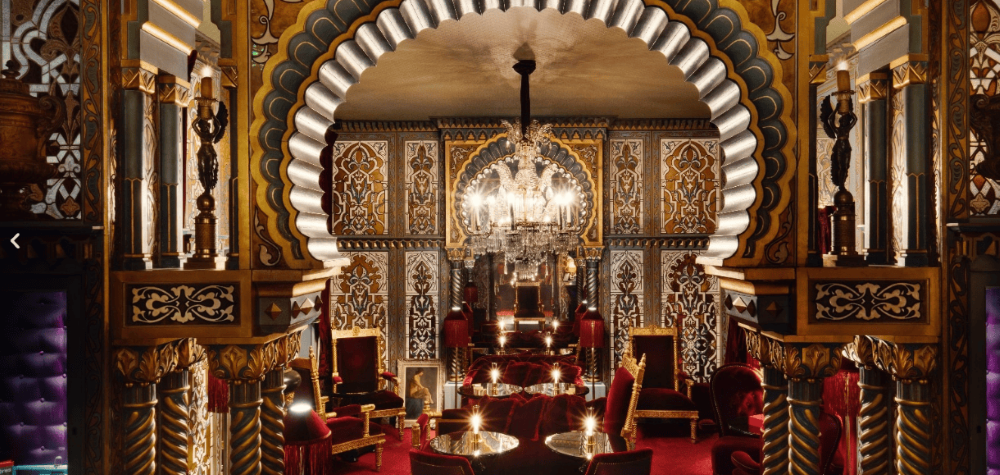
Where Maison Proust is literary, Maison Souquet is theatrical. Located near Montmartre, it draws on the more decadent strain of the Belle Époque the salons, the cabaret culture, the ornamental excess that defined the neighborhood’s golden era. Rooms draw on Oriental, Indian, Japanese, and Napoleon III influences. The lounges open onto an ivy-draped garden. The spa features a celestial-vaulted pool and hammam that feel genuinely removed from the city above.
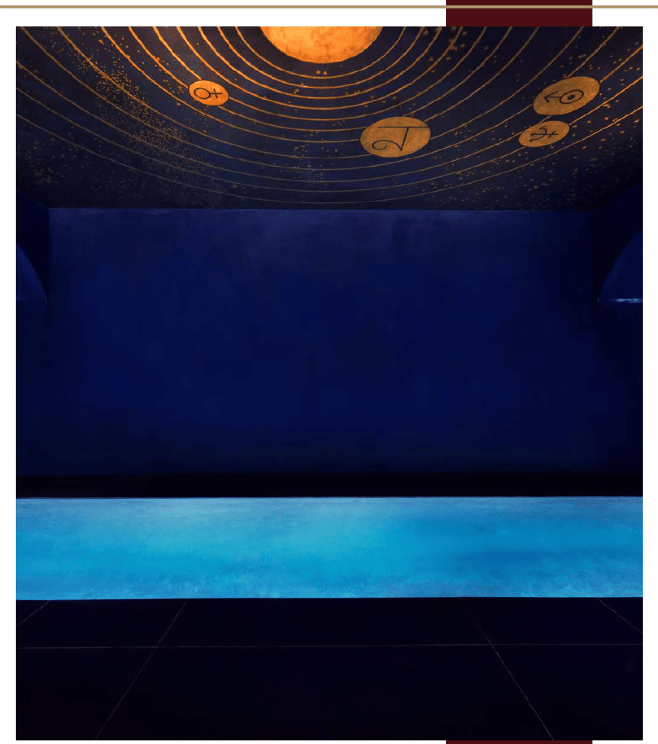
This is a better fit for couples or small groups looking for something intimate and atmospheric. It’s a different register than Maison Proust, more sensory, less intellectual, and the two properties together could anchor a longer stay with distinct chapters.
Starting rate: approximately €450 per night.
Experiences Worth Building Around
The Belle Époque frame opens up a particular set of experiences that hold up well against more standard Paris itinerary options.
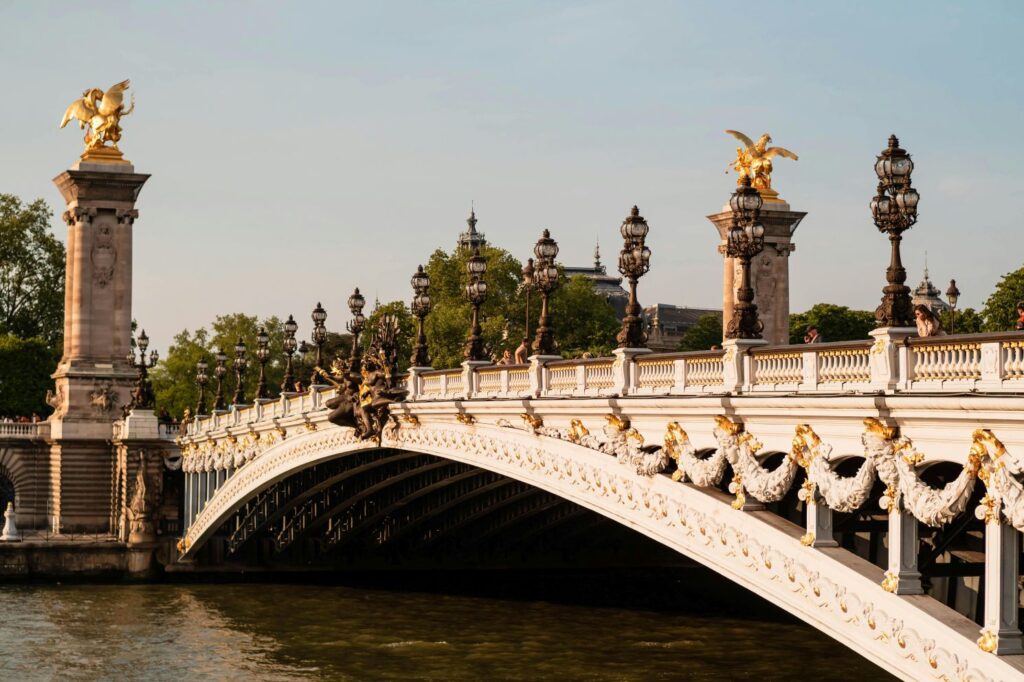
Following the literary figures
- A private walking tour of Le Marais with a focus on Proust, his apartment, his circle, the cafés where the work was written
- Émile Zola’s Montmartre, including the streets and buildings that appear in his novels
- Colette’s Paris: private salons, the Palais-Royal gardens, the boulevards she wrote about
Following the visual artists
- A private early-morning session at the Musée d’Orsay, focused on the Impressionist collection rather than the full museum
- The Orangerie for Monet’s water lilies, ideally arranged before public hours
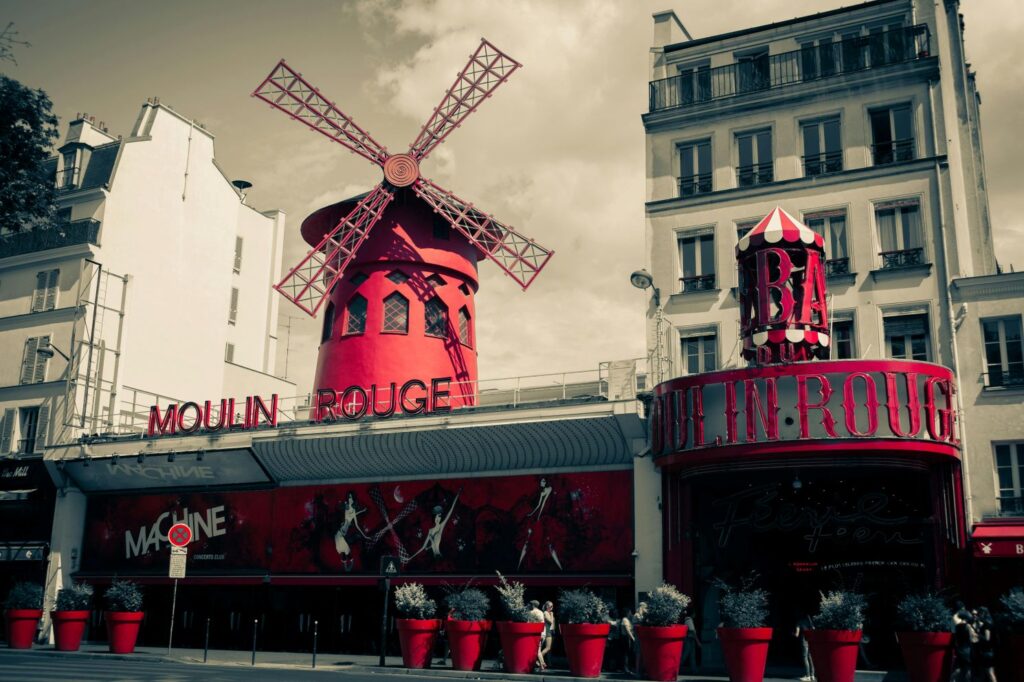
- Toulouse-Lautrec’s Montmartre, including a lithography workshop and a visit to the cabarets he documented
- A behind-the-scenes tour of Opéra Garnier with context on Degas and the ballet culture he spent his career painting
Other curated experiences
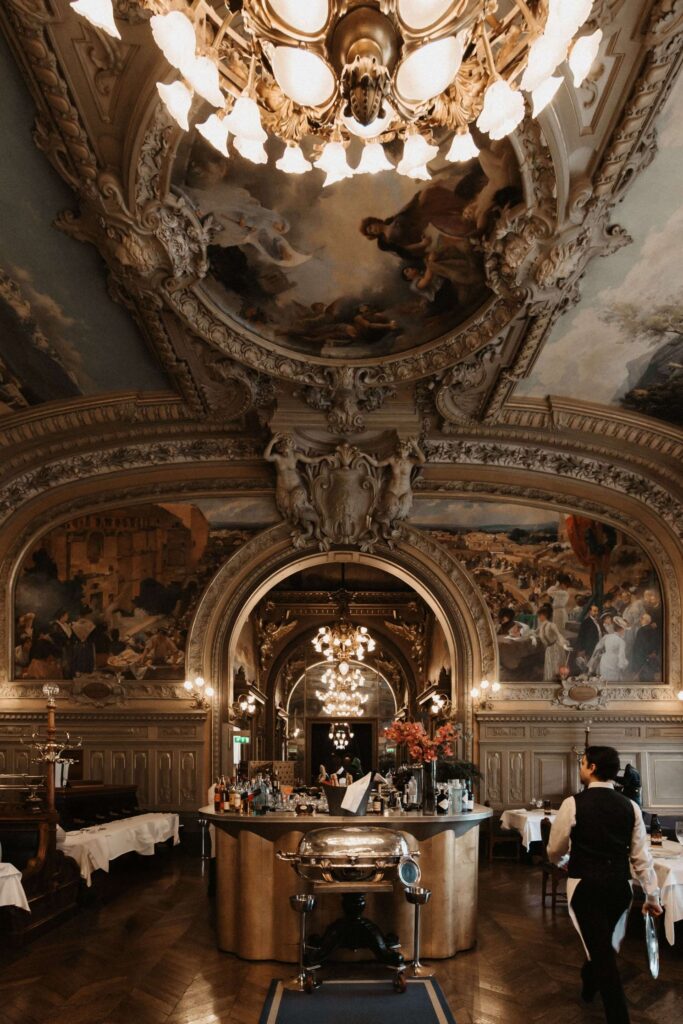
- Lunch at Le Train Bleu, the Belle Époque brasserie inside Gare de Lyon, the room itself is the reason to go
- A private perfume workshop with a house that still works from period methods
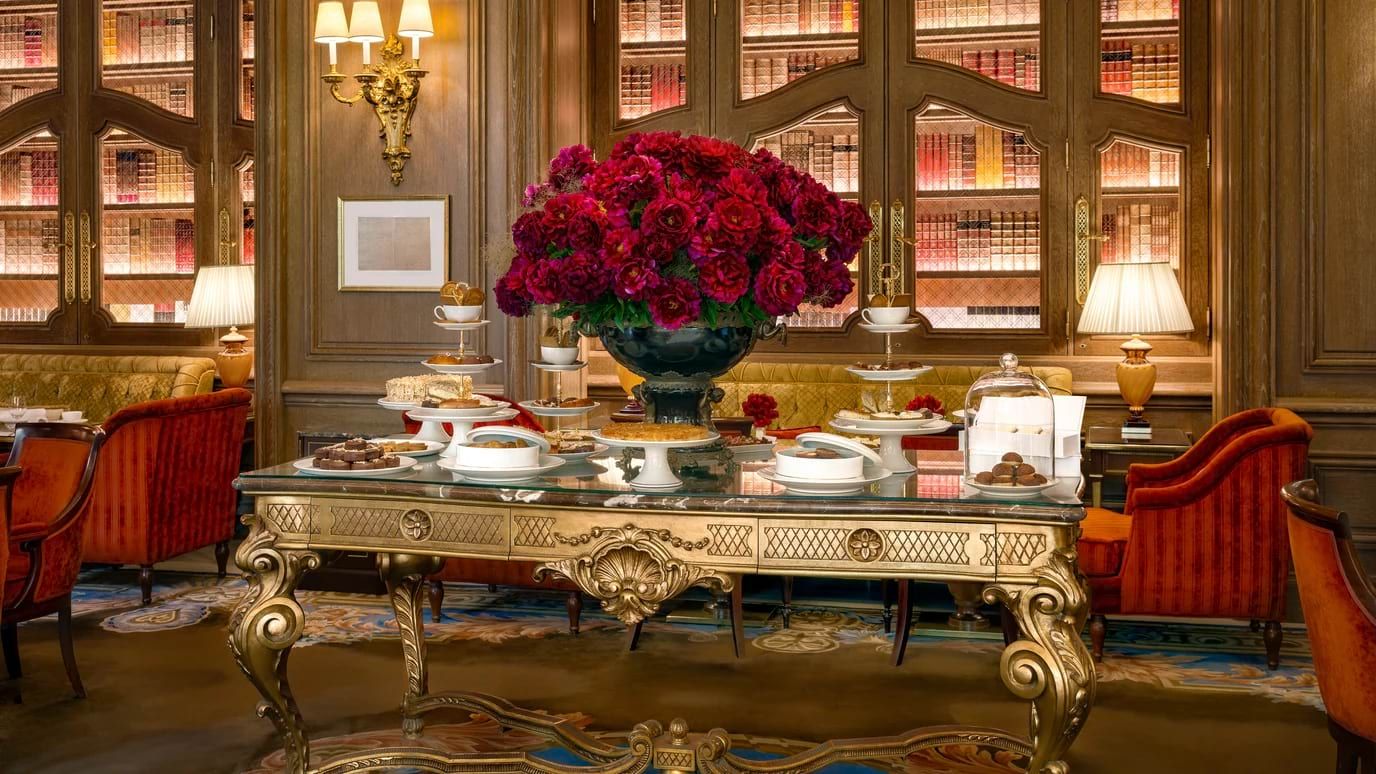
- Afternoon tea at Hôtel Ritz Paris
- A Belle Époque walking tour of Le Marais and Montmartre that covers both neighborhoods as a connected story rather than two separate stops
Extending the Journey: Venice Simplon-Orient-Express
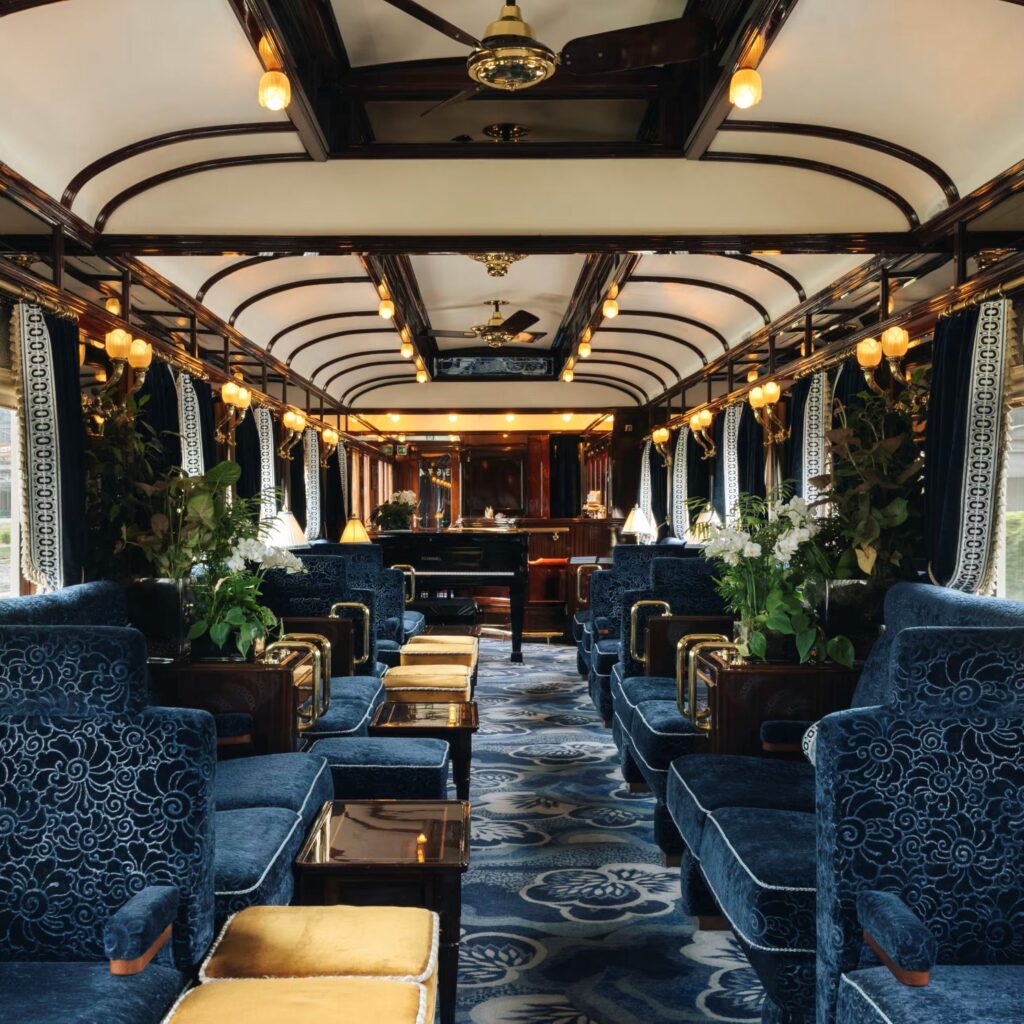
For travelers with the time and appetite for it, Paris is the natural departure point for the Venice Simplon-Orient-Express to Venice. The train is a direct continuation of the Belle Époque sensibility, with silk-lined cabins, marble-topped vanities, white-glove dining service, and a pace that bears no resemblance to contemporary travel.
It’s the kind of addition that reframes the entire trip. Paris becomes the first chapter; Venice the second. The train is the transition between them.
Cabins start at approximately $12,000 per person.
A Note on How This Comes Together
A trip like this doesn’t come together by searching. The hotels, the private access, the guides who know the period well enough to make it feel alive rather than academic. Those things require relationships and advanced planning. Early-morning museum access in particular needs to be arranged well ahead of travel dates.
If this is the kind of Paris you’re interested in, it’s worth having a conversation before you start building an itinerary on your own.
Interested in designing a Paris trip around a specific period, artist, or question? That’s exactly the kind of trip I most enjoy building.
See also: Notre Dame Reopens: A Historic Homecoming for Paris How to Plan a European Vacation
