


London is one of those cities that rewards slowing down. It’s easy to arrive with a list: the Tower, the British Museum, a West End show, and move through it efficiently without ever quite landing. The version of London that stays with you is the one you find when you stop moving long enough to notice the details.
This is how I approach it, drawn from my own most recent trip and from the itineraries I build for clients who want London to feel like more than a checklist.
Where to Stay
The hotel you choose sets the tone for everything else, and in London, location and character matter equally.
The Savoy
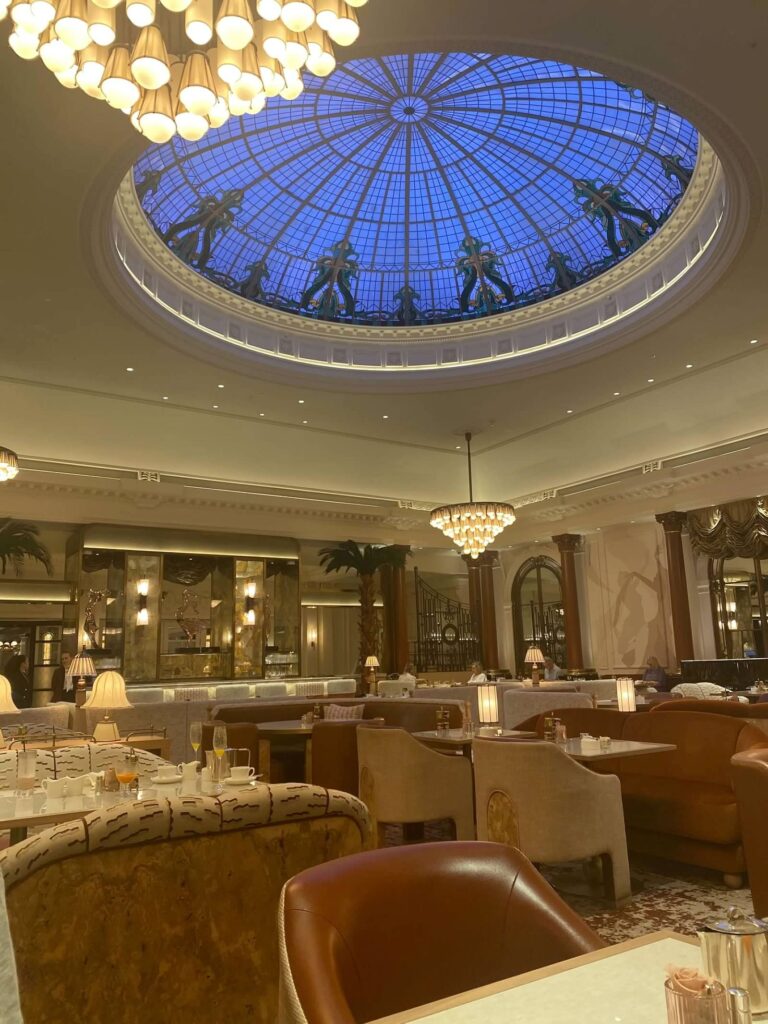
The Savoy opened in 1889 as Britain’s first purpose-built luxury hotel built by theatrical impresario Richard D’Oyly Carte, who wanted something that would match the ambition of the Savoy Theatre next door. It arrived with electric lighting throughout and London’s first electric elevator, which the Victorians called the “Ascending Room.” More than a century later, the Art Deco interiors, the riverside position, and the particular quality of service here still justify the reputation. Mornings at the Savoy are unrushed. The breakfast room is a good place to take your time. Evenings have just enough sparkle without tipping into performance.
How to Pace the Trip
London works best when you build in contrast. A morning of dense history followed by an afternoon with no agenda, a day in the city followed by a day outside it. Here’s the sequence I’d recommend.
After a long international flight, the instinct is often to push through and start seeing things immediately. The better instinct is to give yourself permission to land first. A dinner cruise on the Thames is one of my favorite ways to do this. As the light fades and the city illuminates Tower Bridge, the Houses of Parliament, the Embankment lights reflected on the water, you’re present in London without having to navigate it yet. It creates space to arrive, which makes everything that follows easier to absorb.
Go deep on history
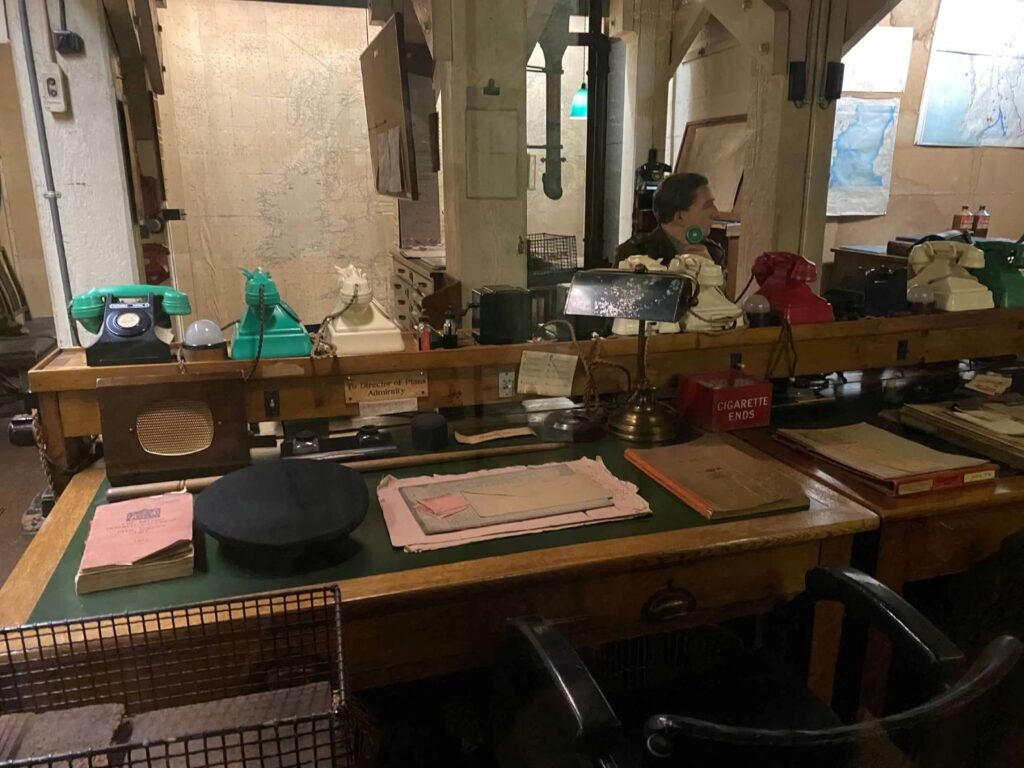
The Churchill War Rooms are one of London’s most affecting historical sites, and are consistently underestimated. Standing in the basement operations center where the decisions of the Second World War were made, with maps still on the tables and Churchill’s private room preserved exactly as it was, produces a quality of attention that larger, more visited attractions rarely match. Allow at least two hours.
From there, Westminster Abbey is a short walk. Move slowly. The Abbey is dense with history in a way that can feel either overwhelming or deeply moving, depending on how you approach it. If you know what you’re looking for, it becomes the latter. The tombs of Elizabeth I and Mary, Queen of Scots, are in the Lady Chapel at the east end. They lie in the same monument two queens, rivals in life, interred together for four centuries. I’ve visited it more than once and find it quietly extraordinary every time. If you know their story, the weight of it lands differently when you’re standing in front of the stone.
Afterward, afternoon tea at Claridge’s is the right kind of deceleration. The room is beautiful, the service attentive without being intrusive, and it gives the morning somewhere to settle.
See the major collections with a guide
The British Museum and the National Gallery are both worth a significant amount of time and reward having someone who knows where to focus. The British Museum’s Enlightenment Gallery is a particular favorite, it offers a coherent walk through centuries of intellectual history in under an hour, and it’s rarely as crowded as the Egyptian galleries. At the National Gallery, Van Gogh, Turner, and Caravaggio are all there, but a guide who can place them in context turns a viewing into something closer to a conversation.
Book your West End evening in advance. London theatre is among the best in the world, and the good productions sell out. Don’t leave this to chance.
Explore a different London
If you want something that moves at a different speed and shows you a more local version of the city, a food-focused cycling tour through South London is worth considering. I joined one on my last trip through the South Bank and into neighborhoods that don’t appear on most visitor itineraries with stops that were genuinely good rather than tourist-facing. It’s a strong option for families with older teenagers, or for anyone who finds structured sightseeing tiring.
Get outside the city
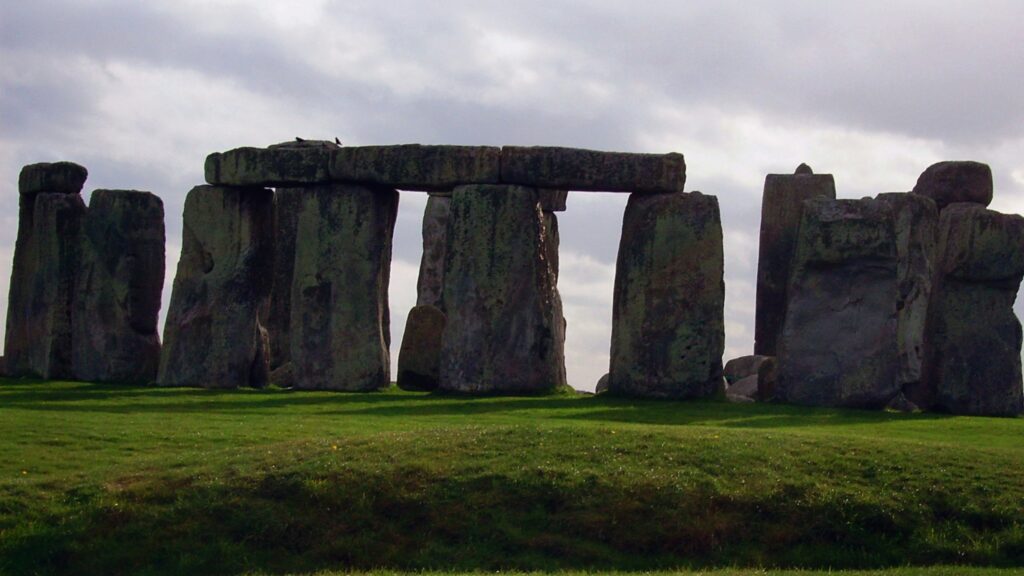
One of London’s underappreciated qualities is what surrounds it. Within two hours in any direction, the landscape changes entirely. The Cotswolds offer one kind of contrast golden stone villages, quiet lanes, the particular quality of English countryside light on an overcast afternoon. It’s a full day well spent, and easy to arrange as a private car excursion from London.
Stonehenge is another. Most visitors see it from behind a rope at a distance, which is fine but limited. There are specialist tours that provide access inside the stone circle itself typically early morning, before the site opens to the public. If Stonehenge is on your list, that’s the version worth experiencing. It’s a different thing entirely.
Pair either day with time in Bath and dinner in Lacock, a village where the buildings haven’t changed much since the medieval period, and where you can eat in a candlelit tavern that has been serving guests since the 1300s. The evening has a quality that’s hard to replicate anywhere else.
A Few Practical Notes
- The Tube accepts contactless cards and Apple Pay no need to purchase separate tickets.
- Book museum tickets in advance for major collections, particularly during spring and autumn when the city is busy.
- West End tickets sell quickly for the productions worth seeing. This should be part of the planning, not a last-minute decision.
- A private guide for the historical sites Churchill War Rooms, Westminster Abbey, and the Tower of London makes a meaningful difference. The stories behind these places are what make them worth visiting.
How This Comes Together
London pairs naturally with Paris for a multi-city trip, or with a few days in the countryside for a more varied pace. It works well for couples, for families with older teenagers, and for anyone traveling alone who wants a city that rewards curiosity.
What makes a London trip work is the same thing that makes any European trip work: enough time in each place to actually be there, and a clear sense of what you’re after before you arrive. If you’re starting to think about London and want help shaping the itinerary, that’s a straightforward conversation to have early.
Remember, U.S. travelers now need a UK ETA before visiting. Here’s what to know: UK ETA
Ready to design a London trip around how you actually want to experience it?
See also: Paris in the Belle Époque: Hotels, Experiences, and the City Behind the Guidebook What Every Traveler Should Know
