Direct & Nonstop Flights from Phoenix to Europe (2026 Guide)
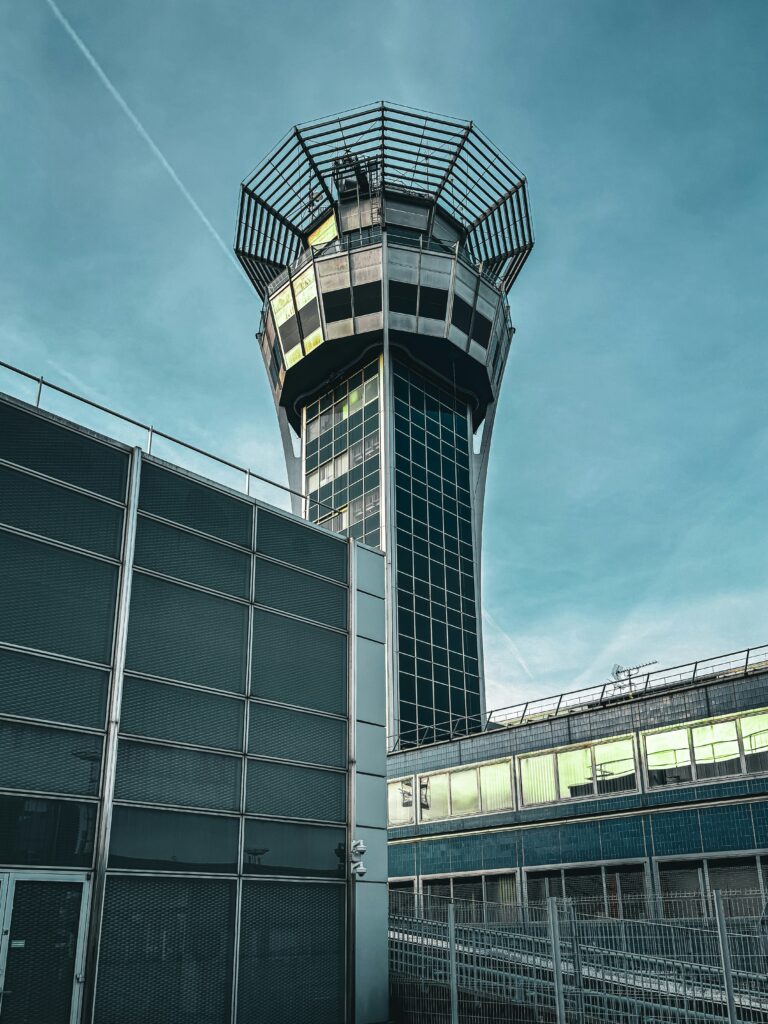
If you live in Phoenix and you want to get to Europe without a layover, your options are London and Paris. That’s it. Two cities.
I’ve been designing European journeys for more than twenty years, and the nonstop map out of Sky Harbor shapes almost every itinerary I build for a Phoenix-based client. Phoenix is the fifth-largest city in the country, and we have fewer direct flights to Europe than Charlotte, which is a little over half our size.
I think this is useful information, not discouraging information. Once you understand the math, it changes how you plan, and usually for the better.
What Phoenix actually has

London Heathrow. British Airways flies this route daily, year-round, on a 777. American Airlines adds seasonal service in the warmer months. It’s the workhorse route out of PHX and has been reliable for years.
Paris Charles de Gaulle. Air France launched this route in May 2024, and it’s been successful enough that they moved to year-round service and added frequency. Depending on the season, it now runs four to six flights a week on an Airbus A350-900 with a proper business-class cabin. This is the newest European nonstop from Phoenix and the one I’m happiest about, because it opens up southern Europe.
A note on Frankfurt. Condor flew Phoenix to Frankfurt in the summer months for several years, and it still turns up on older lists of Phoenix nonstops. The route hasn’t operated since 2024. Condor still sells Phoenix to Frankfurt, but with a connection on the way. Routes change, so I always check the current schedule before building an itinerary around a flight.
That’s the whole list. No Rome. No Madrid. No Frankfurt. No Amsterdam. No Dublin. No Zurich. If you want any of those, you’re connecting.
Why this matters for how you plan
Most Phoenix clients come to me wanting Italy. Italy is my most-designed destination and probably always will be. But there’s no nonstop from Phoenix to any Italian city, and there likely won’t be one anytime soon. So the real question becomes: which connection hurts the least, and which arrival city sets up the rest of the journey the best?
This is where the nonstop list earns its keep. I use Paris and London as strategic entry points into Europe, not just as destinations.
Paris as the front door to southern Europe. A nonstop to CDG puts you inside Europe with no domestic connection and no scramble through a U.S. hub. From Paris, a short flight or a fast train can have you in Nice, Barcelona, Milan, or Lisbon the next day.
London as the front door to the rest of Europe. Heathrow’s advantage for my clients is speed to the places that are hardest to reach from the U.S. A client flying to Edinburgh, Dublin, or Reykjavik can be having dinner there on the day they land, instead of losing an entire travel day to a second flight and another airport. I’ve routed clients through Heathrow specifically to buy back that day.
German-speaking Europe requires a connection. If a client is focused on Bavaria, Austria, or Prague, there’s no nonstop to lean on. The journey starts either with a connection in a U.S. gateway to Munich, Vienna, or Frankfurt, or with the nonstop to London or Paris and a short flight onward. Which one I choose depends on the season, the cabin, and what the first two days of the journey need to look like. Winter schedules run thinner, so for Christmas market journeys I have that conversation early.
One stop I always recommend in London
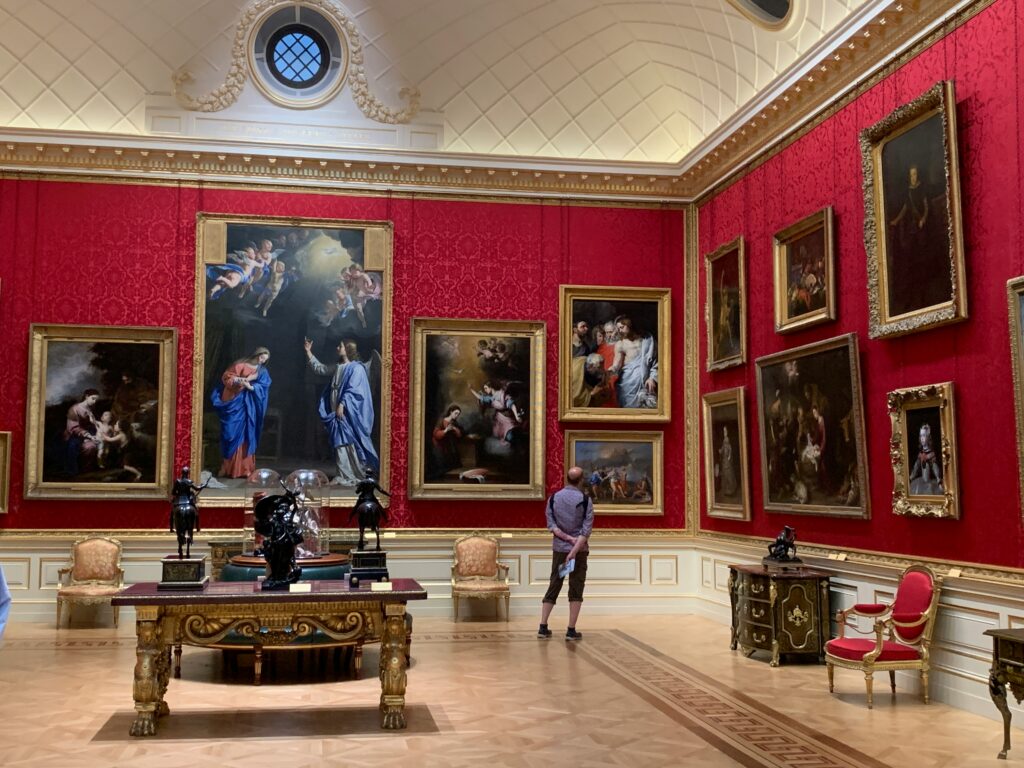
The Wallace Collection, housed in a Marylebone townhouse that still feels like someone’s home, is one of the most satisfying small museums in Europe. Hals, Velázquez, Rembrandt, and a suite of eighteenth-century French paintings and decorative arts you can stand in front of without a crowd. I send clients there before the National Gallery, not instead of it. Small museums give you the space to take all the time you need, standing in front of a single painting that draws you in. You don’t feel pressured or overwhelmed thinking about how much you still have to get through. The big museums assume you already know which paintings to pick out of the masses.
The exhibition that should be on every 2026-2027 calendar
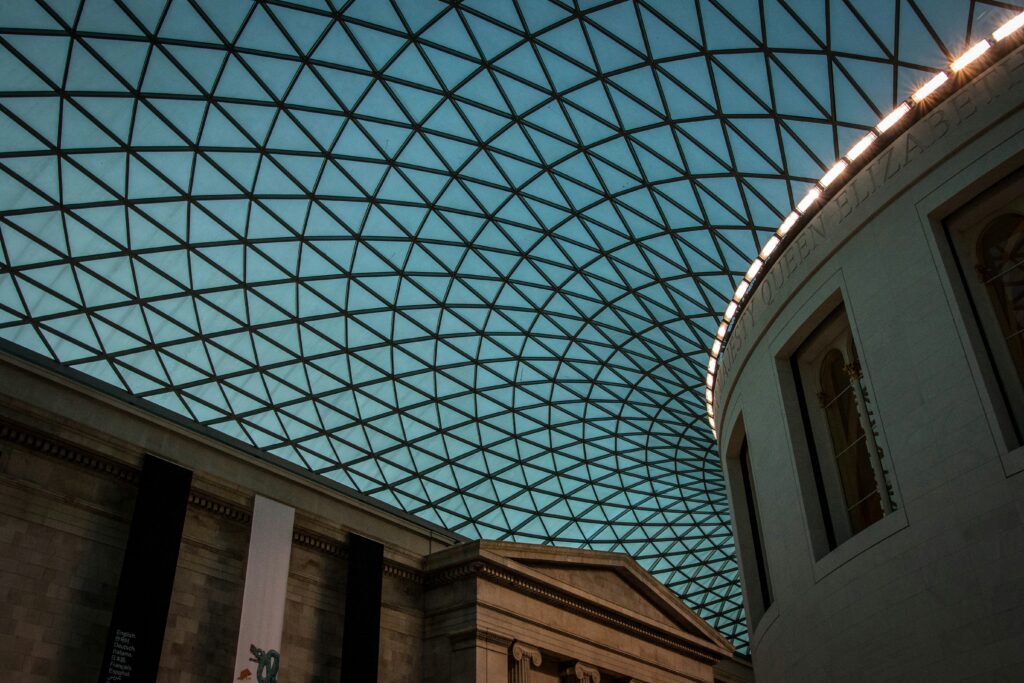
The Bayeux Tapestry is in London. For the first time in nearly a thousand years, the 70-meter embroidery that tells the story of the 1066 Norman conquest has left France, and it is on display at the British Museum from September 10, 2026 through July 11, 2027. It is the first time the Tapestry has been on British soil since it was made. The British Museum expects 7.5 million visitors this year, and the chair of trustees is already calling it the blockbuster exhibition of our generation, in the same breath as Tutankhamun and the Terracotta Warriors.
Tickets are released in three phases. The first, for entry dates between September and December 2026, went on sale July 1 and sold out. The second, covering January to March 2027, opens this fall. The third, for April to July 2027, opens in early 2027. British Museum members get priority booking ahead of the general public at each release. If the first window is any indication, the next two will go just as fast.
If you are already thinking about a European journey in that window and London is anywhere in your plans, this is the moment to start the conversation. The Tapestry is the reason to anchor your dates. Everything else in the trip (when to travel, how long to stay in London, what to see around it, which property to book) follows from whether and when you manage to secure an entry. This is exactly the kind of moving target I track for clients so they don’t have to, and the kind of trip I would build around a single sold-out ticket.
One trip that shows how I use the map
A couple I worked with last year wanted two weeks in France and Italy, anchored around a significant anniversary. The plan they brought me started in Rome, because Rome was the destination they were most excited about. I suggested we flip it. We used the Air France nonstop to Paris, spent the first four nights there at a small property in the 7th, then took a morning train to Annecy for two nights before crossing into Italy by car through the Alps. They went on to Lake Como, rested and already in the flow of the trip. Rome came at the end, a fitting grand finale.
The nonstop didn’t just save them a connection. It allows me to design the trip to build instead of recover. That’s the difference between a booked itinerary and a designed one, and it’s almost always invisible until you’re in the middle of it.
What I’d tell you if you were sitting across from me
If you’re Phoenix-based and planning your first real European journey, don’t start with the destination. Start with the nonstop map and work backward from it at least once, as a thought experiment. Ask yourself whether a trip that begins in Paris or London could hold the experiences you actually want, even if your original idea was Tuscany. Sometimes the answer is yes, and the trip gets better. Sometimes it’s no, and then we build the connection into the plan with intention instead of treating it as something to endure.
In twenty years of designing journeys, the travelers I work best with aren’t trying to collect countries. They want the trip to feel like it belongs to them from the moment they leave Sky Harbor to the moment they come home. That starts with the flight, and in Phoenix, the flight starts with two cities.
Planning a European journey from Phoenix?
If you’re beginning to think about a journey to Europe in 2026 or 2027, this is exactly the kind of question I work through with clients before a single property is booked. As a Phoenix-based travel designer, I design custom journeys for travelers who want the story behind the place. If that sounds like the way you want to travel, I’d love to hear from you. You can reach me through the contact form on my site.
The Blog
Cruise Design
Travel Design
+1 (480) 868-6152
Monday–Friday, 10am–4pm MST
Phoenix, Arizona, working with clients anywhere.
The first conversation is complimentary, and you don't need a finished idea to have it. "Somewhere in Italy, maybe next spring" is a good place to start.
comparing hotels.
Rather than spend another weekend
Let's talk
Takes about three minutes. No obligation.
How I think about planning. In longer form.
River, ocean, and expedition. Matched to how you travel.
Full custom itineraries, and how the process works.
where to go next
