


Visiting Notre-Dame Paris in 2026: The Complete Reopening Guide
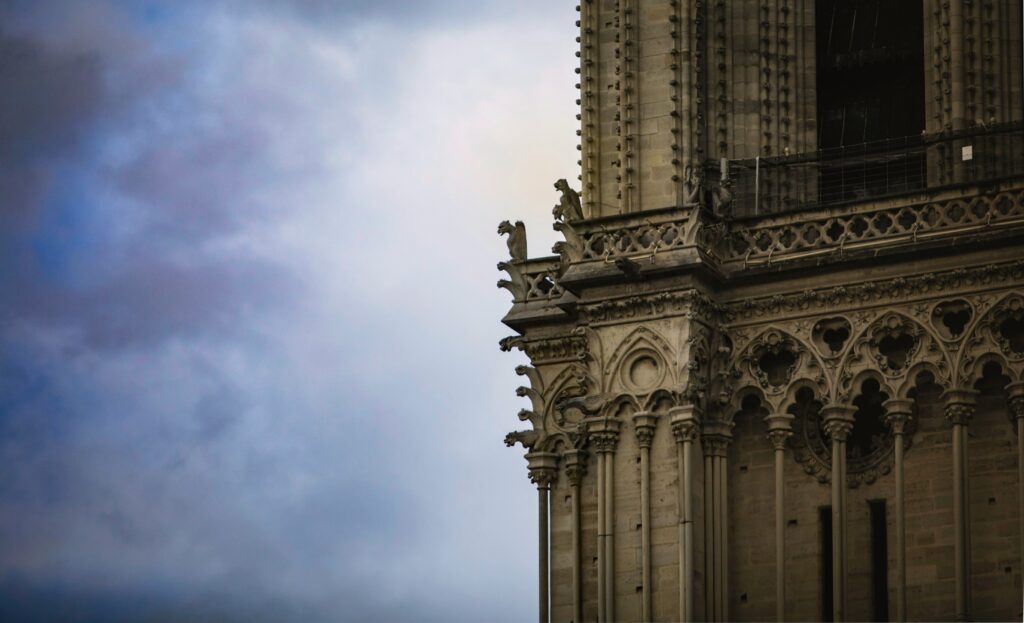
Notre-Dame de Paris reopened in December 2024 after five and a half years of restoration, and 2026 is the first full travel year where the cathedral is settling into its new visitor rhythm.
If you’re planning a Paris trip, the first question is almost always the same: Do I need a reservation, or can I just walk in? The short answer is that Notre-Dame is open to visitors and entry is free, but timed reservations are strongly recommended, and during peak hours, essentially required if you don’t want to spend your morning in line.
Below I’ve put together everything Phoenix travelers (and anyone else) need to know before going: current 2026 opening hours, exactly how to book a free reservation through the official Notre-Dame app, what’s new inside after the restoration, the difference between cathedral entry and the Bell Tower ticket, and the best time of day to visit if you actually want to see the rose windows without a crowd in front of you.
As a travel designer who books client itineraries through Paris year-round, I’ve also added a few things you won’t find on the official site, including which Métro entrance saves you ten minutes and where to eat afterward. Explore Travel Design Services →
Quick facts: Notre-Dame in 2026
Before we get into the details, here’s the short version. Notre-Dame Cathedral reopened to the public on December 8, 2024. Entry to the cathedral itself is free for all visitors. Free timed reservations are available through the official Notre-Dame app and website, and they’re released in two waves, about three days in advance, and again the morning of your visit. The Bell Tower (Tours de Notre-Dame) is a separate, paid ticket managed by the Centre des monuments nationaux, with its own reservation system and a separate entrance. The cathedral averages about 30,000 visitors per day, which is roughly double pre-fire numbers, so going in unprepared is the single biggest mistake travelers make.
Is Notre-Dame in Paris open for visitors?
Yes. Notre-Dame is fully open to visitors and has been since December 2024. The cathedral is functioning as both an active place of worship and a public monument, with daily Mass times posted at the entrance and visitor flows managed around services. Some smaller chapels and the treasury occasionally close for private events or restoration work, but the main nave, the choir, the rose windows, and the side aisles are all accessible during posted hours.
What hours is Notre-Dame open for visitors?
Notre-Dame is open seven days a week, with hours that vary slightly by day. As of 2026, expect roughly 7:50 a.m. to 7:00 p.m. Monday through Friday, with extended evening hours (until 10:00 p.m.) on Thursdays. Saturday hours run 8:15 a.m. to 7:30 p.m., and Sunday hours are 8:15 a.m. to 7:30 p.m. with reduced visitor access during morning Mass. Hours can change for holidays, Holy Week, and major liturgical events, so always check the official site within a few days of your visit.
If you want the cathedral to feel less like Times Square and more like a cathedral, aim for the first 90 minutes after opening or the last 90 minutes before closing; those windows are dramatically less crowded than the 11 a.m. to 4 p.m. peak.
Do you need reservations to get into Notre-Dame?
Technically no, but practically yes. Walk-up entry is allowed, but during peak hours, the line can stretch well over an hour. The free timed reservation system effectively functions as a fast pass: with a reservation, you join a separate, much shorter queue. During winter weekday mornings or late evenings, walk-ups are usually fine. During spring break, summer, or any weekend afternoon, plan on reserving; the difference is between a 10-minute wait and a 90-minute one.
How do I book a reservation for Notre-Dame?
Reservations are free and made through the official Notre-Dame de Paris app (available on iOS and Android) or the official cathedral website. You’ll choose a date and a 30-minute arrival window, enter the names of everyone in your group, and receive a QR code by email. Bring the QR code with you (a screenshot is fine, Wi-Fi at the cathedral can be spotty). On arrival, look for the dedicated reservation entrance (usually clearly signed) rather than joining the general walk-up line. One important note: reservations are non-transferable and tied to the names on the booking, so use the actual names of your travelers rather than a generic placeholder.
How far in advance can I reserve entry to Notre-Dame Cathedral?
Reservations are released in two waves. The first wave opens roughly three days before your intended visit (typically at midnight Paris time), and a second wave of slots opens at 7:30 a.m. on the day of your visit. The morning-of release exists specifically to give walk-up travelers and last-minute visitors a real shot at a spot. If your dream slot fills before you can grab it, set an alarm for 7:30 a.m. Paris time and refres, slots reopen and you can almost always find something within a few hours of your target time.
Can you just walk into Notre-Dame in Paris?
You can, but I rarely recommend it during peak season. Walk-up access is in a separate, longer line that processes more slowly because it has no advance verification. In December, January, and the first half of February, walk-ups are usually painless. From mid-March through late October, expect significant waits at the walk-up entrance, often 60 to 90 minutes, on weekend afternoons. The reservation queue, by contrast, almost always moves in 10 to 15 minutes regardless of season.
What’s new after the restoration?
The cathedral you walk into in 2026 is, without exaggeration, the cleanest, brightest version of Notre-Dame anyone alive has ever seen. The restoration removed centuries of soot, candle smoke, and pollution that had darkened the limestone to a grey-brown. The interior now reads as warm, almost golden, particularly when light comes through the restored stained glass. New lighting design highlights architectural details that were essentially invisible before. The restored organ — the largest in France, with nearly 8,000 pipes — was reinstalled in late 2024 and is back in regular use. Several major reliquaries, including the Crown of Thorns, have been returned to permanent display. The choir and the high altar have been completely reconfigured, and the entire structural rebuild of the spire and roof timbers (the famous “forêt” of medieval oak beams) is now complete. Even visitors who knew Notre-Dame well before 2019 describe the post-restoration interior as a different building.
How to visit Notre-Dame when it reopens — what to expect
Plan on being inside for 45 to 75 minutes if you want to actually see the cathedral rather than just walk through it. Photography is allowed without flash. Bags larger than a small daypack will be screened at security; large luggage is not permitted. Modest dress is expected (shoulders covered, no beach attire). Audio guides are available through the Notre-Dame app. Download it before you arrive so you’re not fighting the building’s Wi-Fi. Restrooms are not inside the cathedral; the closest public restrooms are in the Square Jean-XXIII, just east of the cathedral. Strollers are allowed, but the building has uneven floors and limited accessible routing — if you’re traveling with very small children, consider a baby carrier instead.
Notre-Dame Bell Tower tickets vs. cathedral entry
Two different experiences, two different tickets, two different entrances. The cathedral itself, which most visitors think of as “going to Notre-Dame,” is free with a reservation through the cathedral’s own system. The Bell Tower (Tours de Notre-Dame) is a separate, paid climb of 422 steps to the top, run by the Centre des monuments nationaux, with tickets sold through their site. The Bell Tower gives you the famous gargoyle views and the closest look at the spire, but it’s a real climb (no elevator) and requires its own reservation. If you want to do both in one visit, book the cathedral first (morning) and the Bell Tower second (afternoon), since the Bell Tower entrance is on the north side of the cathedral and you’ll exit facing the Seine.
Best Paris itineraries that include Notre-Dame
For most of my clients, Notre-Dame fits naturally into a Day 1 or Day 2 itinerary alongside Sainte-Chapelle (a 6-minute walk west. Morning light through the east windows is the reason to go early. If you appreciate Gothic and medieval art, my Vienna museums guide covers similar territory.), The Conciergerie, and a Seine-side lunch on Île Saint-Louis.
If you’re in Paris for Notre-Dame’s reopening anniversary in early December, the cathedral is particularly beautiful at dusk under its new lighting. For travelers spending a full week in Paris, I usually pair Notre-Dame with a morning walk in the Latin Quarter, leaving the rest of the day for the Musée de Cluny (the medieval museum, a five-minute walk away, and the perfect contextual companion to the cathedral). Travelers planning a 2026 European vacation that includes Paris should also build in time for a river cruise stop or a day trip to Reims or Chartres if cathedrals are your thing.
Plan your 2026 Paris trip with a travel designer
Notre-Dame is a free, public monument; you don’t need a travel agent to walk in. But Paris itself is having a moment in 2026 (Notre-Dame’s full reopening, the lingering momentum from the 2024 Olympics, a strong dollar against the euro), and the city is busier than it’s been in a decade.
As a Phoenix-based travel designer specializing in custom European itineraries, I help clients build Paris trips that put the iconic stops on the calendar at the right time of day, fill in the lesser-known corners, and pair the city with the rest of France or Europe in a way that actually feels like a vacation rather than a checklist. If you’re planning a 2026 trip to Paris, especially if you’re departing from Phoenix or anywhere in the Southwest, I’d love to help. [Schedule a complimentary consultation →]
See also: Paris in the Belle Époque: Hotels, Experiences, and the City Behind the Guidebook How to Plan a European Vacation
Practical companion: Planning a Paris trip? Make sure your entry requirements are sorted.
